
Vietnam Places · Island travel
Phú Quốc in Four Days: Beaches, Island Culture and a Practical Budget
A first-visit guide to choosing the right coast, understanding the island’s food traditions and leaving room for the weather.
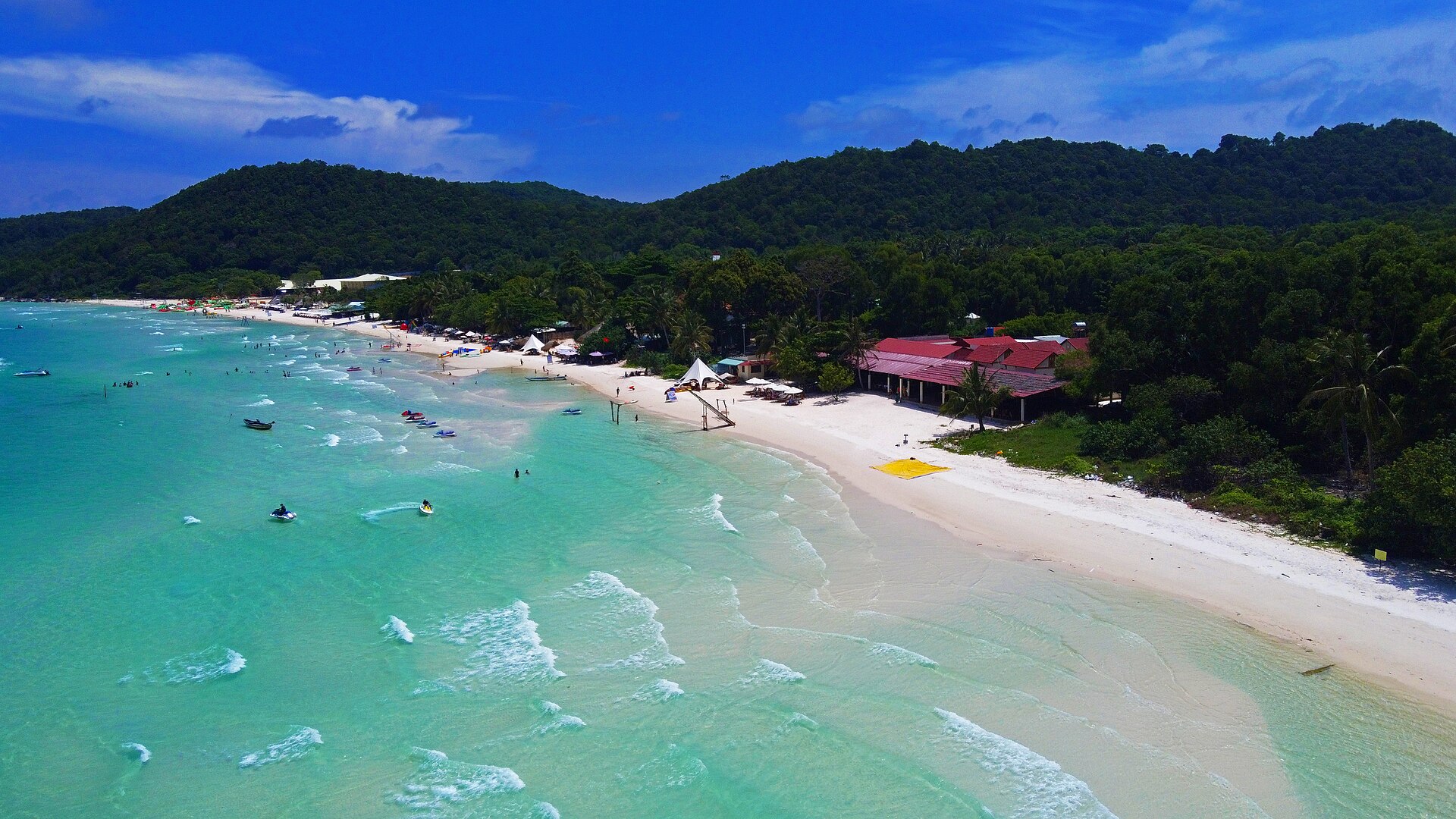

Give Phú Quốc four days, choose one comfortable base, and leave a little space in the itinerary. That is the most useful starting point for an island where a quiet beach, a fishing harbour and a giant entertainment complex can all appear in the same holiday brochure. You can enjoy each of those things. Trying to cross the island for all of them every day is what makes a beach trip tiring.
This guide is for a first visit that balances the coast with local food and history. The suggested route spends time around Dương Đông, makes one deliberate journey south, and keeps one day flexible for the weather. It also explains where the island’s living traditions end and its newer, deliberately theatrical attractions begin.
The island behind the beach photographs
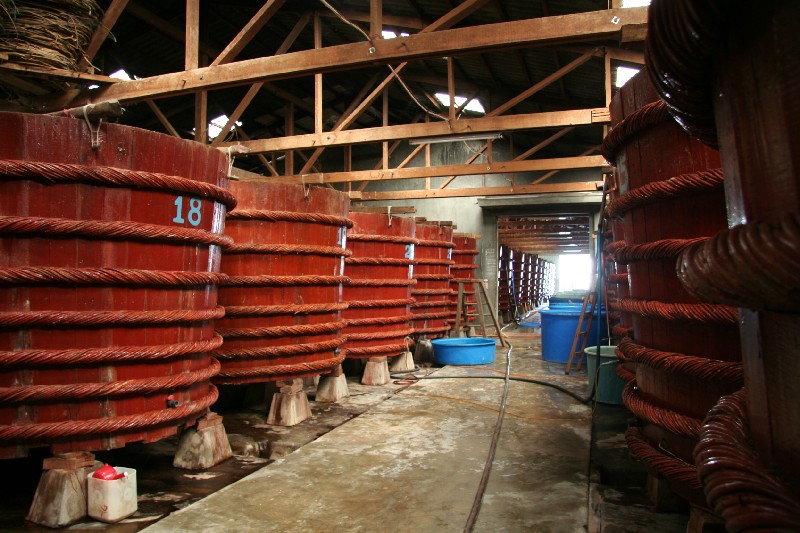
A good Phú Quốc visit includes something that explains how people make a living here. A fish-sauce barrel house is a particularly useful stop: the ingredient connects the island’s fishing economy with dinner tables across Vietnam. Fermentation, salt, wood and time matter far more than a souvenir label. Ask whether a producer receives visitors, how long a tour lasts and whether it is a working production area before making the journey. Vietnam Tourism describes traditional barrel production and suggests requesting a guided visit rather than assuming every factory is an open museum. Read its introduction to Vietnamese fish sauce.
The name also has a specific provenance. In 2012, the European Union registered Phú Quốc as a Protected Designation of Origin for the fish product. That recognition concerns a defined product and origin, rather than a blanket quality claim for everything sold on the island. If you buy a bottle, read the producer and origin information, ask about packing, and check your carrier’s baggage restrictions. The EU registration is a useful piece of context for a surprisingly everyday ingredient.
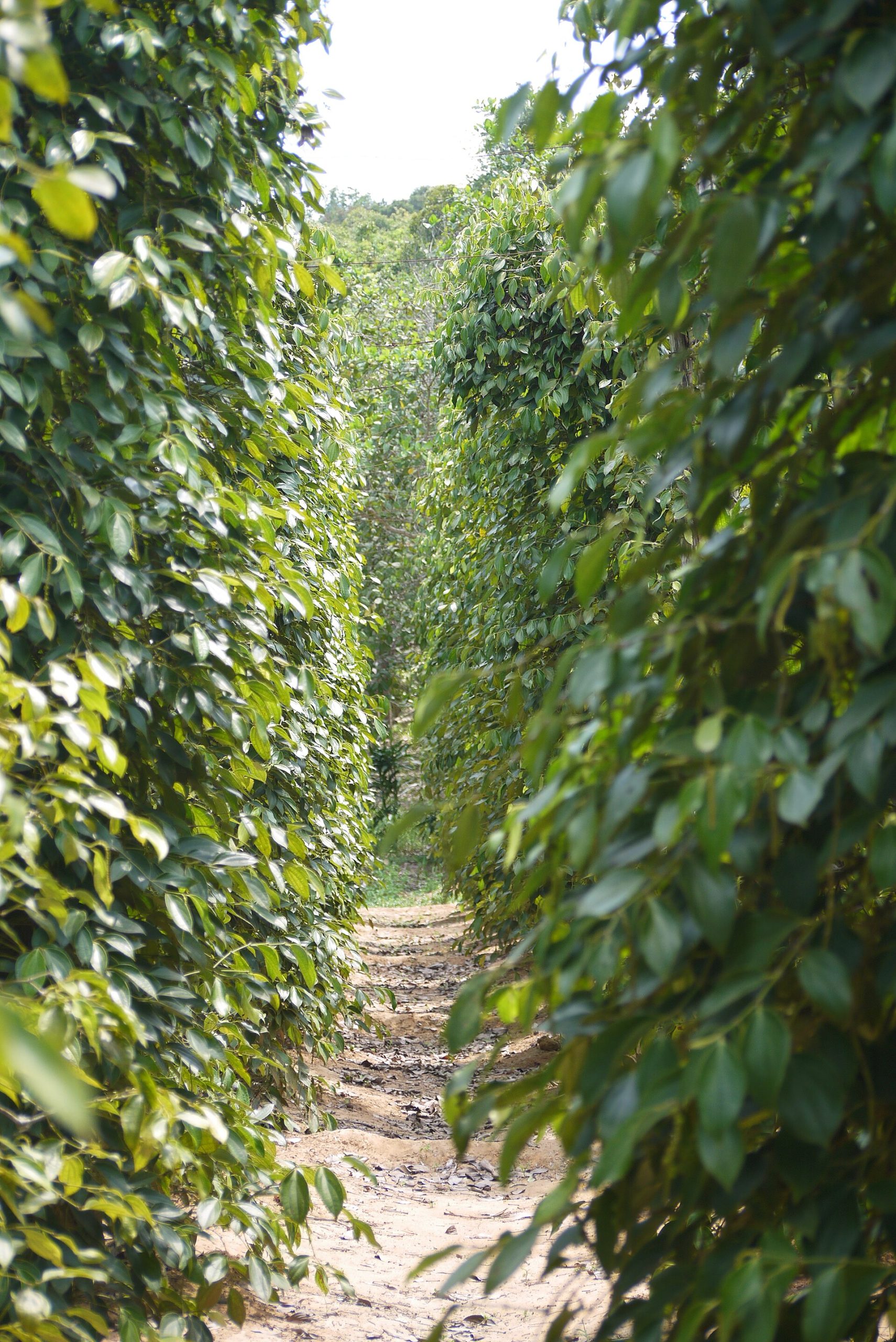
Pepper gardens provide a different view of the island’s working landscape. Look at the climbing vines and ask what is being harvested or dried during your visit. A short, hosted stop is more meaningful than stepping into a field for photographs without permission. Buy a small quantity if you genuinely want it; a demonstration does not create an obligation to shop.
There is an ecological story, too. UNESCO’s Kiên Giang Biosphere Reserve, designated in 2006, includes Phú Quốc and protected marine areas within a much larger regional reserve. Forest, coral and seagrass ecosystems are part of that designation. It is not a World Heritage listing for every beach or a guarantee that every tourism operation is sustainable. The practical response is simple: leave marine animals in the water, never stand on coral, take your rubbish back and choose operators that explain their environmental rules.


Choose your base before choosing your excursions
Dương Đông and central Long Beach: this is the easiest starting point for visitors who want restaurant choice and a mix of outings. Look at the exact hotel pin, since “Long Beach” covers a substantial stretch of coast. A beachfront address does not automatically mean a short walk to the night market.
Ông Lang: consider this area if reading, swimming when safe and unhurried meals matter more than a busy evening programme. Confirm the approach road and transport arrangements. A lower room rate can lose its advantage if every meal requires a car.
Khem Beach and the south: this suits a resort holiday or a trip centred on Hòn Thơm and southern attractions. It is less convenient if most of your saved places are near Dương Đông or far north. For a three-night stay, moving hotels usually consumes more useful beach time than it creates.
Three stays to investigate
These are location-and-facility shortlists based on the hotels’ own information, not claims of a personal inspection. No room availability or date-specific rate has been checked.
- Salinda Resort Phu Quoc Island, in Cửa Lấp, is a candidate for travellers wanting a full-service west-coast resort. Its official room collection includes rooms, suites and villas. Compare the exact category, breakfast terms and transfer offer rather than assuming every package includes the same things.
- Mango Bay, at Ông Lang, suits a more nature-oriented stay. A detail worth checking carefully: its room page distinguishes bed-area Evening Breeze cooling from premium bungalow categories with air-conditioning. If full-room cooling is important to you, book by the precise room specification.
- JW Marriott Phu Quoc Emerald Bay, on Khem Beach, is a luxury south-island option. Its elaborate “Lamarck University” setting is a fictional design narrative, as the hotel itself explains. Enjoy the architecture as resort storytelling; it is not evidence of a historic university on the site.
A four-day itinerary with room to breathe
Day one: arrive, settle in and find the coast
Keep the arrival day local. After checking in, take a short walk to understand the beach access, identify a convenient place for breakfast and ask your accommodation about current swimming conditions. On the west coast, reserve the late afternoon for the sea rather than a cross-island transfer. A sunset is a possibility, not something any itinerary can promise.
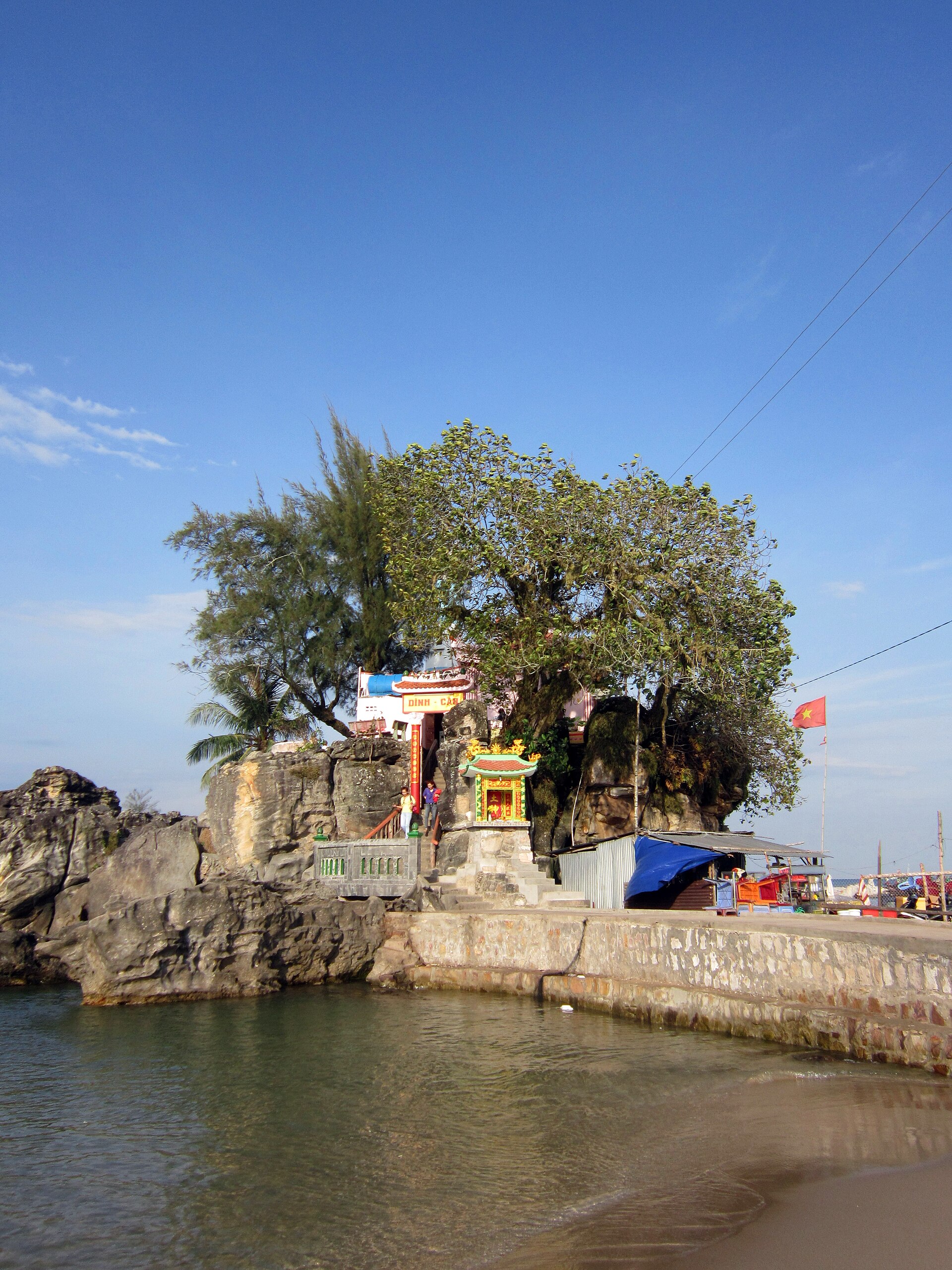
If you are based centrally, visit Dương Đông’s night market for dinner. Compare displayed prices before sitting down. For seafood, agree on the species, weight, unit price and cooking charge before it goes to the kitchen. A modest grilled dish with rice can be a better first evening than ordering an expensive platter before you understand the bill.

Day two: a working island, then an easy beach afternoon
Arrange a fish-sauce producer or pepper-garden visit in advance, ideally with somebody who can translate questions. Choose one or two purposeful stops rather than a shopping circuit. Ask how the product is made, which processes happen here and what visitors are allowed to photograph.
Return for lunch and a rest. Spend the afternoon near your hotel or make one planned beach outing. The island’s beach conditions differ by coast, season and recent weather; yesterday’s photograph is not a current swimming report. If the sea looks unsuitable, use the time for a leisurely meal or a sheltered cultural stop.
Day three: choose a southern day with a clear focus
For history and a quieter pace: visit Phú Quốc Prison Relic and then leave time for a southern beach. The site preserves the memory of imprisonment during the colonial and Vietnam War periods; the national tourism authority describes reconstructed scenes, artefacts and memorial spaces. Its graphic exhibits need thoughtful handling, especially with children. Read the labels, recognise that a memorial presents history from a particular institutional perspective, and keep photographs respectful. The official historical introduction helps set expectations.
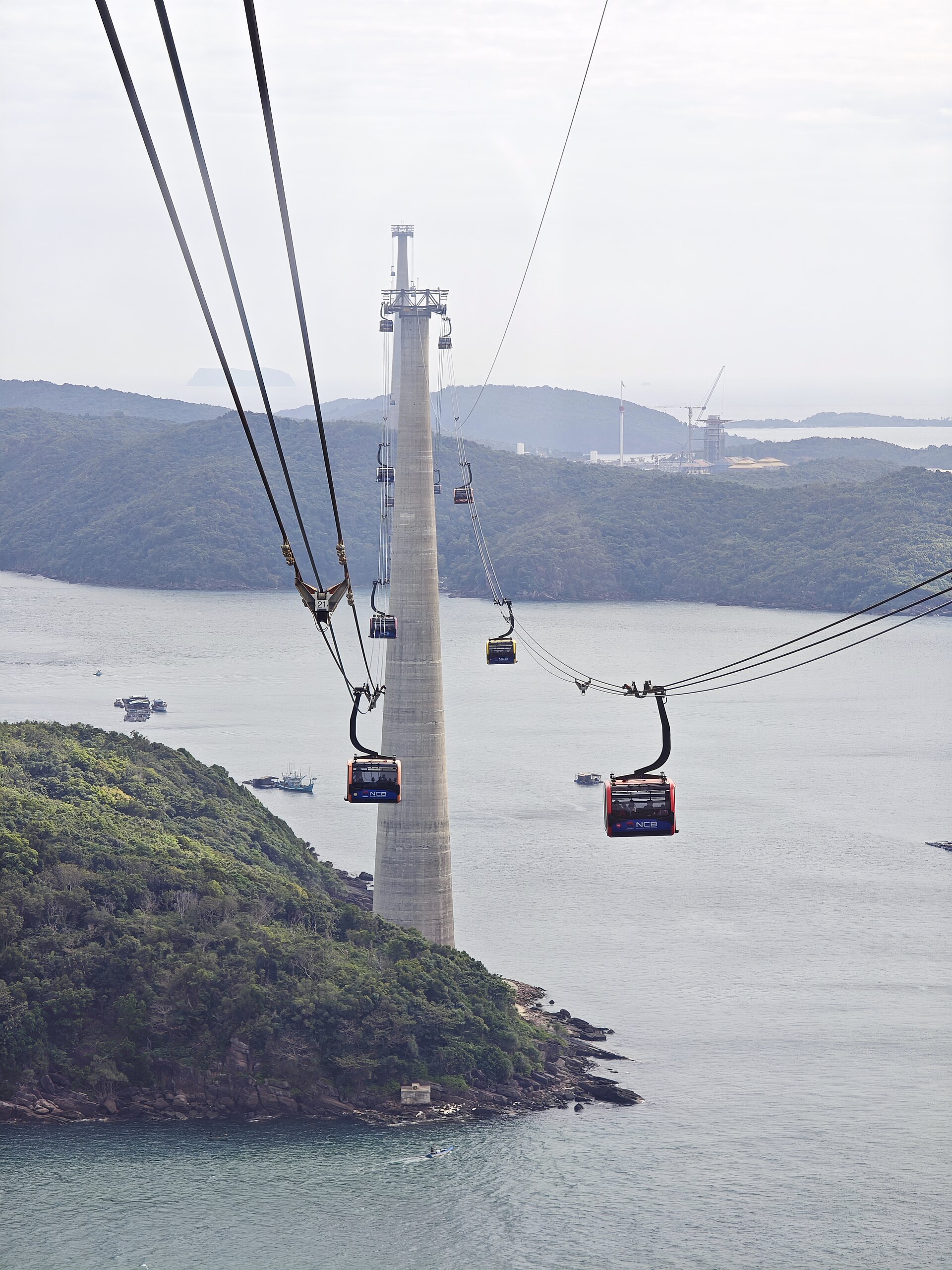
For a big entertainment day: choose Hòn Thơm’s cable car and park complex instead. Check that day’s operating windows before departing, and keep the return schedule on your phone. Build the day around this visit rather than squeezing it between several distant stops. Food, some beach activities and other Sunset Town attractions can be separate purchases.
A snorkelling or island-hopping trip is a third option, weather permitting. Ask for the actual islands, maximum group size, life-jacket provision, swimming requirements and cancellation policy. A list of several islands does not tell you how long you will spend at each, or how much of the day is transit. Do not schedule a boat outing immediately before a flight you cannot miss.

Day four: keep the morning close to your departure point
Use the final morning for breakfast, a swim only if conditions are safe, or an unhurried walk. Leave time to dry and pack wet clothes, check out and reach the airport or port. If you want both the northern theme parks and a southern boat day, add a night instead of turning departure morning into a race.
What the headline attractions cost
The following are published operator tariffs observed on 12 October 2026, not reservations or guaranteed checkout prices. Height bands, offers, dates and inclusions matter.
| Experience | Published standard price | Read before buying |
|---|---|---|
| Hòn Thơm return cable car | 850,000 adult; 700,000 for the published 1–1.4 m child band | Sun World’s tariff effective 1 January 2026 includes same-day return travel and Exotica/Aquatopia entry. Meals and separately charged attractions are excluded. |
| Hòn Thơm with lunch buffet | 1,150,000 adult; 900,000 for that child band | Check the service date and current conditions. The operator page states that booked dates and ticket types cannot be changed and cancellation carries a 100% charge. |
| Vinpearl Safari | 850,000 adult; 650,000 child/elderly category | Individual-customer tariff effective 7 January 2026. Confirm eligibility and any optional services. |
Sources: Sun World’s published Hòn Thơm tariff and conditions; Vinpearl Safari’s 2026 price notice. For online purchases, check the final amount and live operating notice through the operator’s own booking route.
A transparent sample budget
For four days and three nights, two adults sharing a room could use the following planning allowances per person: 900,000–2,250,000 for half of three nights in a room budgeted at 600,000–1,500,000 per night; 800,000–1,400,000 for food and drinks; and 500,000–900,000 for shared local transport. Adding one adult Hòn Thơm base ticket produces an illustrative total of 3,050,000–5,400,000 VND per person.
Those accommodation, meal and transport figures are editorial estimates, not advertised offers, and they are not rates for the three resorts above. Flights, ferries, insurance, shopping, boat tours and other paid attractions are excluded. Add a contingency and replace each allowance with your actual quote before booking.
Eat with the island’s ingredients in mind
Fish sauce and pepper are useful threads to follow through a menu. Try a simply cooked seafood dish before ordering everything fried or heavily sauced. Phú Quốc’s herring salad, gỏi cá trích, is a recognised local speciality, often assembled with herbs and rice paper; it typically involves raw fish, so travellers avoiding raw seafood should choose a fully cooked alternative. Vietnam Tourism’s seafood guide explains the local dishes.
Ask about shellfish, peanuts and fish sauce if they are relevant to your diet. A dish described as vegetable-based may still use fish sauce. Take a translated dietary note if a misunderstanding could be serious. For ordinary meals, a short exchange about the portion and price is usually more helpful than relying on a photograph in a social-media post.
Getting there and adapting to the weather
Phú Quốc has an international airport, with domestic air links and sea connections from Hà Tiên and Rạch Giá. The national tourism destination page identifies November–April as the dry-season travel window and May–October as the wetter period. This is seasonal guidance rather than a forecast. For ferry travel, check an operator’s live sailing information and disruption policy, for example Superdong’s timetable.
Use a confirmed transfer, metered taxi or a transport service whose fare and pickup point you understand. A scooter is optional, not a requirement for seeing the island. Avoid driving if you lack the appropriate licence, insurance or confidence for local conditions; a car with a driver may be the better-value choice for a shared excursion.
If rain interrupts the trip, move the outdoor day rather than forcing it. Ask a producer whether its visitor area is sheltered, take time over a meal, or enjoy the hotel facilities you have paid for. Follow closures and local warnings. No beach, viewpoint or prepaid ticket is worth disregarding unsafe sea conditions.
The most satisfying version of Phú Quốc is the one matched to your interests: a beach you can enjoy, enough time for the island’s food traditions, and one or two excursions chosen deliberately. A shorter checklist often leaves you with a clearer sense of the place.
Read more on Vietnam Story
- Understanding Vietnam Before You Visit
- What Makes Vietnamese Food Vietnamese
- Vietnam Through the Centuries
Research checked 12 October 2026. Admission prices rechecked before publication on 13 October 2026 (Vietnam time). This is an independently prepared planning guide based on the official sources linked beside the relevant information. Suggested timings and general spending allowances are editorial estimates. Prices, operating arrangements and room availability can change. Photographs are dated documentary images, not a live view of conditions.