
Vietnam Places · Landscape and history
Ninh Bình in 2–3 Days: Boats, Ancient Capitals and a Slower Vietnam
Boats, limestone landscapes and the stories of Vietnam’s early capital, with realistic timings and checked visitor fees.

In this guide
- Get your bearings before booking a room
- What makes this landscape important?
- Day 1: Tràng An by boat, then the former capital
- Day 2: a viewpoint, Bích Động and village time
- Day 3: wetland wildlife or one more quiet morning
- Food: rice, goat dishes and clear questions
- Official ticket information and estimated costs
- Three real places to consider staying
- When the weather changes
Give Ninh Bình two full days, and stay a third if you want the landscape to set the pace. One good boat journey, a visit to the former capital and time among the villages will make a more satisfying trip than collecting every viewpoint. The scenery is compelling, but its human history is equally important: caves sheltered people long before emperors chose the surrounding mountains for a capital.
This guide focuses on the Tràng An–Tam Cốc–Hoa Lư visitor area and an optional excursion to Vân Long. Plan to arrive the evening before day one. Official information and prices were checked on . Timings below are suggested allowances, not promises about traffic, weather or boat operations.
Get your bearings before booking a room
“Ninh Bình” can mean a province, an urban arrival point or the countryside travellers actually want to explore. The railway station is not the Tràng An boat pier, and neither is the same place as Tam Cốc. Save the exact hotel and pier locations, especially if your transport ticket simply says “Ninh Binh.”
Tam Cốc suits visitors who value nearby restaurants and a convenient village base. Countryside accommodation beyond the busiest streets offers more quiet but usually means arranging transport for meals and sightseeing. The Tràng An side is useful for landscape-focused stays; Vân Long is a separate base best chosen deliberately, rather than as an accidental distant alternative.
The national tourism authority describes access from Hanoi by train or road in about two hours. For planning, allow two to three hours plus transfers and traffic buffers. Check train services and date-specific fares through Vietnam Railways; confirm where a minibus will actually drop you. Reserve an onward connection only after allowing time to collect luggage and reach the station.
For local travel, a car with an agreed itinerary is the simplest option for a mixed group. Cycling can be rewarding on suitable village roads, but ask your host about a quiet route, test the brakes and avoid main-road riding in heavy traffic or poor visibility. A scooter is unnecessary for this itinerary.
What makes this landscape important?
The Tràng An Landscape Complex is a mixed cultural and natural UNESCO World Heritage property. Its limestone towers and enclosed valleys record geological change, while cave deposits preserve evidence of people adapting to changing environments over more than 30,000 years. Sea levels rose and fell; communities altered the ways they occupied and used the landscape.
That history changes the way to look at a boat journey. A cave is more than a shaded passage between photo opportunities, and the rice fields are working land within a lived-in heritage landscape. Keep that wider story in mind without assuming every tourist cave contains an archaeological site you can enter.
Day 1: Tràng An by boat, then the former capital
Morning: give Tràng An a proper half-day
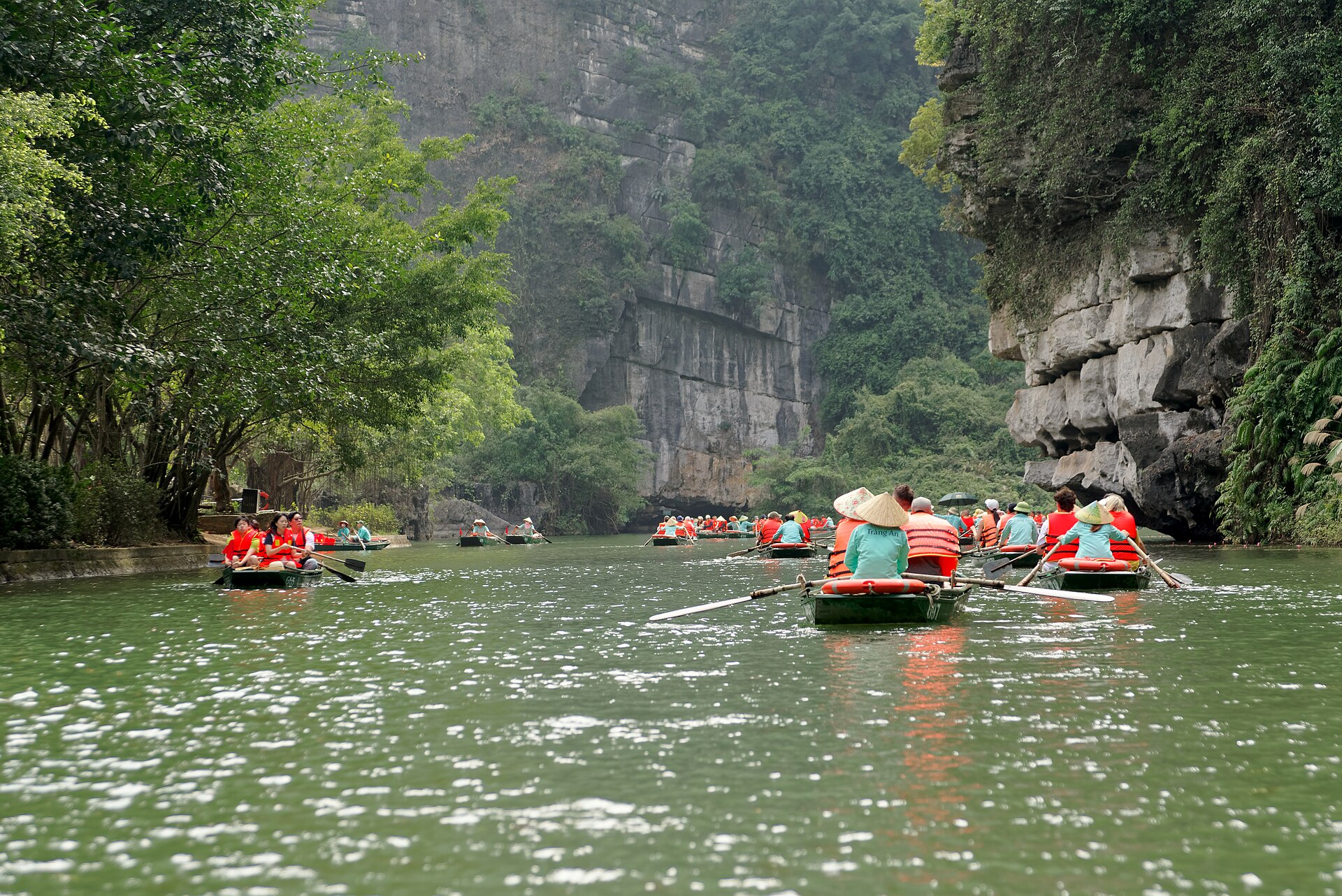
Arrive early in the operating day, buy through the official ticketing point and ask which routes are running. Allow roughly three hours on the water, plus waiting and boarding time. Choose a route by its length, cave sections and stops rather than by a claim that one is universally “the best.” Conditions and temporary restrictions can change the choices.
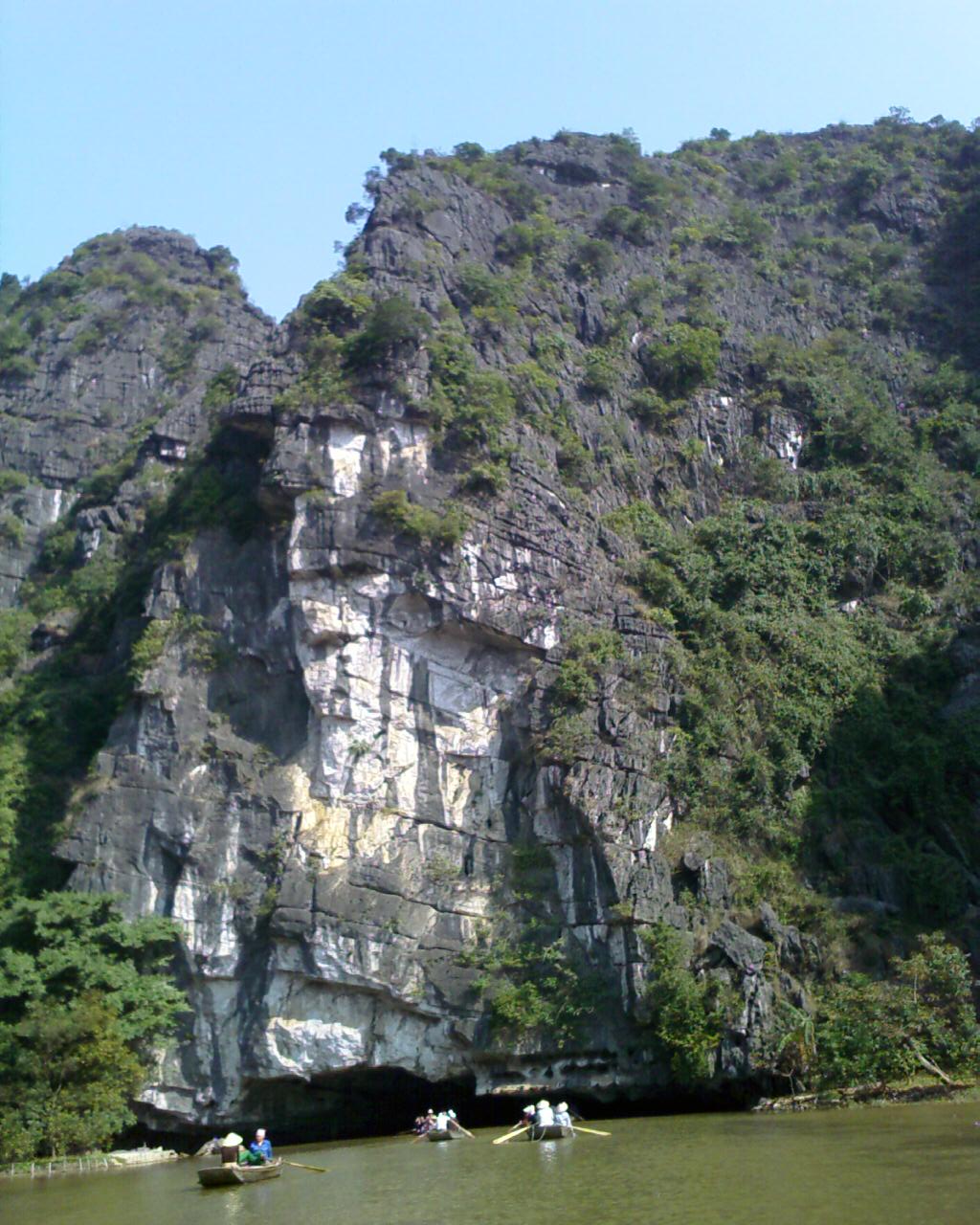
The management board’s description of Route 3 links the boat landing with Trình Temple, several caves and Vũ Lâm. It identifies Trình Temple with officials associated with the Đinh court and describes Đột Cave as more than a kilometre long. If extended darkness, low overhead clearance or getting in and out of a small boat concerns you, discuss the route before buying your ticket.
Wear the provided life jacket throughout the journey and follow the rower’s instructions. Keep hands inside the boat in narrow passages, protect your phone from water, and bring a hat, drinking water and rain protection. Sitting in a boat does not remove sun exposure. Use the toilet before boarding and carry out anything you brought in.
At temple stops, step out carefully and let other passengers clear the landing. These are worship spaces as well as visitor stops. Put away your camera when it would interrupt a ceremony, and do not treat an altar as a backdrop for climbing or posing.
Afternoon: read the landscape at Hoa Lư
After lunch and a rest, continue to Hoa Lư for about 90 minutes. The conservation centre’s historical introduction explains that Đinh Bộ Lĩnh established his capital here in 968 after unifying the country. The site is associated with the Đinh and Early Lê dynasties and the beginning of the Lý period, before the capital moved to Thăng Long in 1010.
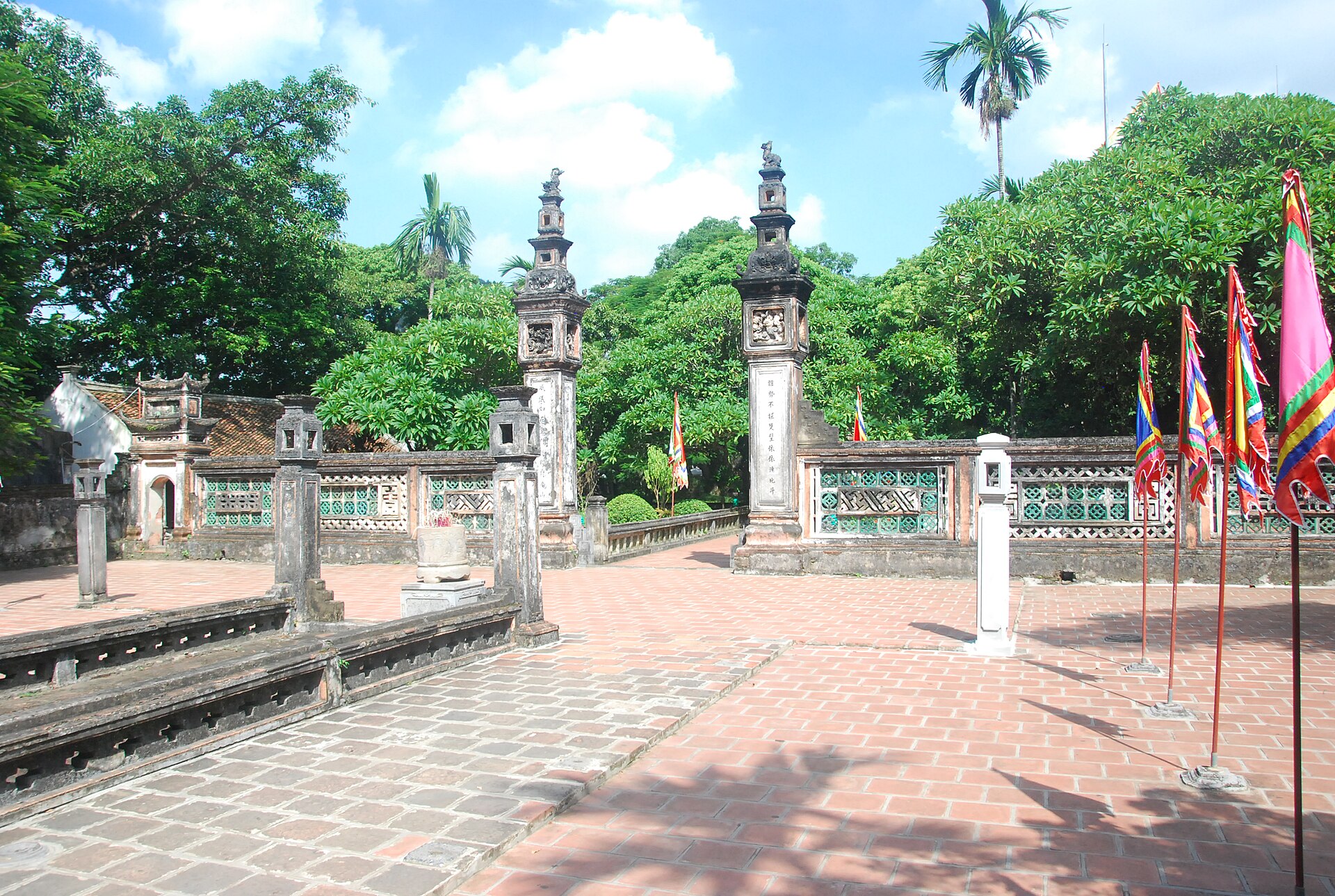
The surrounding karsts help explain the location’s defensive appeal. Inside the precinct, however, separate the history being remembered from the age of the buildings in front of you. The official account of the Đinh Tiên Hoàng Temple identifies seventeenth-century gateways and stone carving. These are later acts of commemoration, not a complete tenth-century palace preserved unchanged.
Look closely at the carved dragons and the stone royal couch. The centre relates the decoration both to kingship and to hopes for rain and agricultural abundance. That gives an individual detail a connection to the fields you have been passing all day. Keep your evening simple: dinner near your accommodation and an early night if you want the viewpoint tomorrow.


Day 2: a viewpoint, Bích Động and village time
Early morning: Hang Múa, if the conditions suit
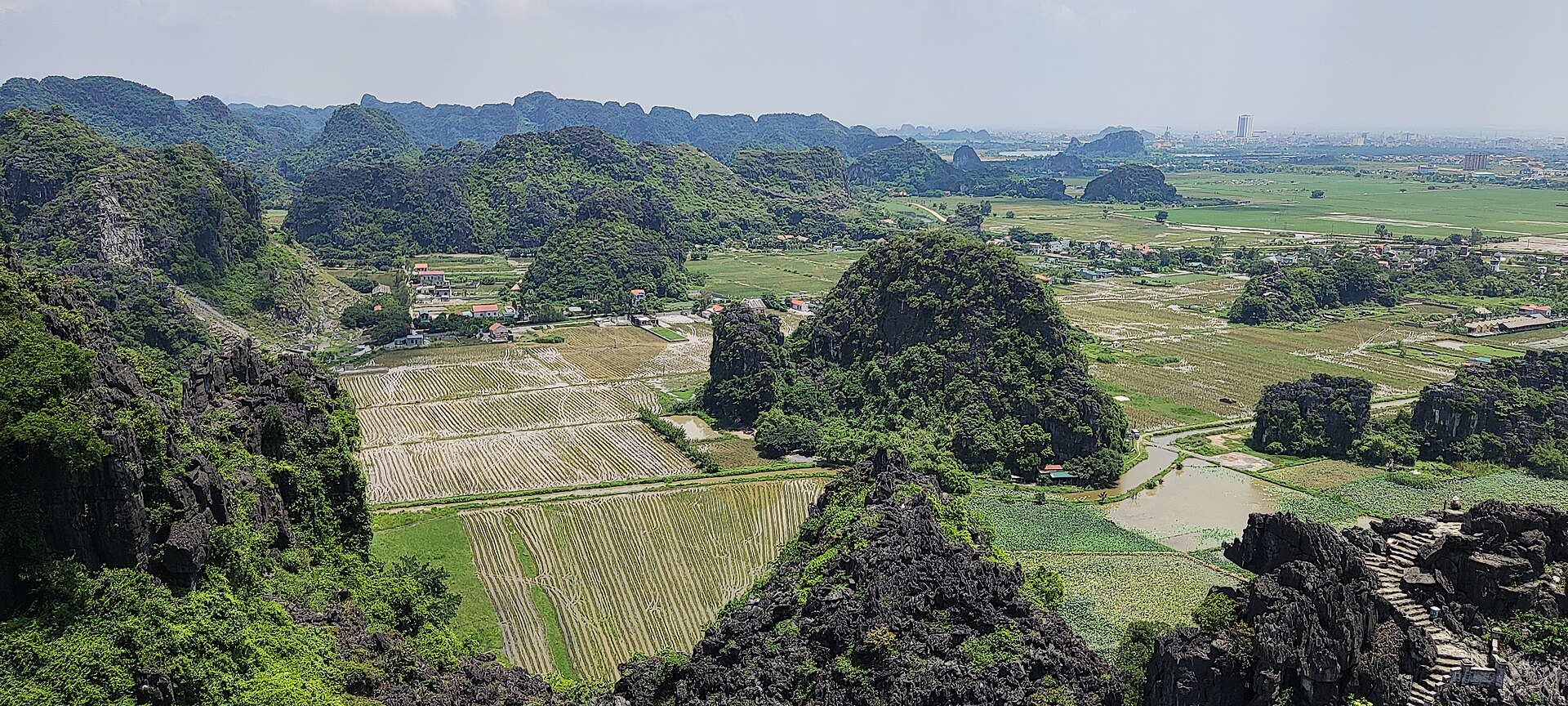
Visit Hang Múa near the start of its posted opening hours, allowing 90 minutes to two hours including pauses. The tourism authority describes approximately 500 steps to the high viewpoint. Treat that as a steep climb, not a quick walk suitable for every visitor.
Wear shoes with grip, carry water and turn back if the steps feel unsafe. Skip the exposed ascent during thunderstorms, heavy rain or slippery conditions. Stay on the established route and resist stepping onto unprotected rock for a photograph. If stairs are unsuitable for your group, replace the climb with a café stop and a short, level village walk.



Late morning: Bích Động at a gentler pace
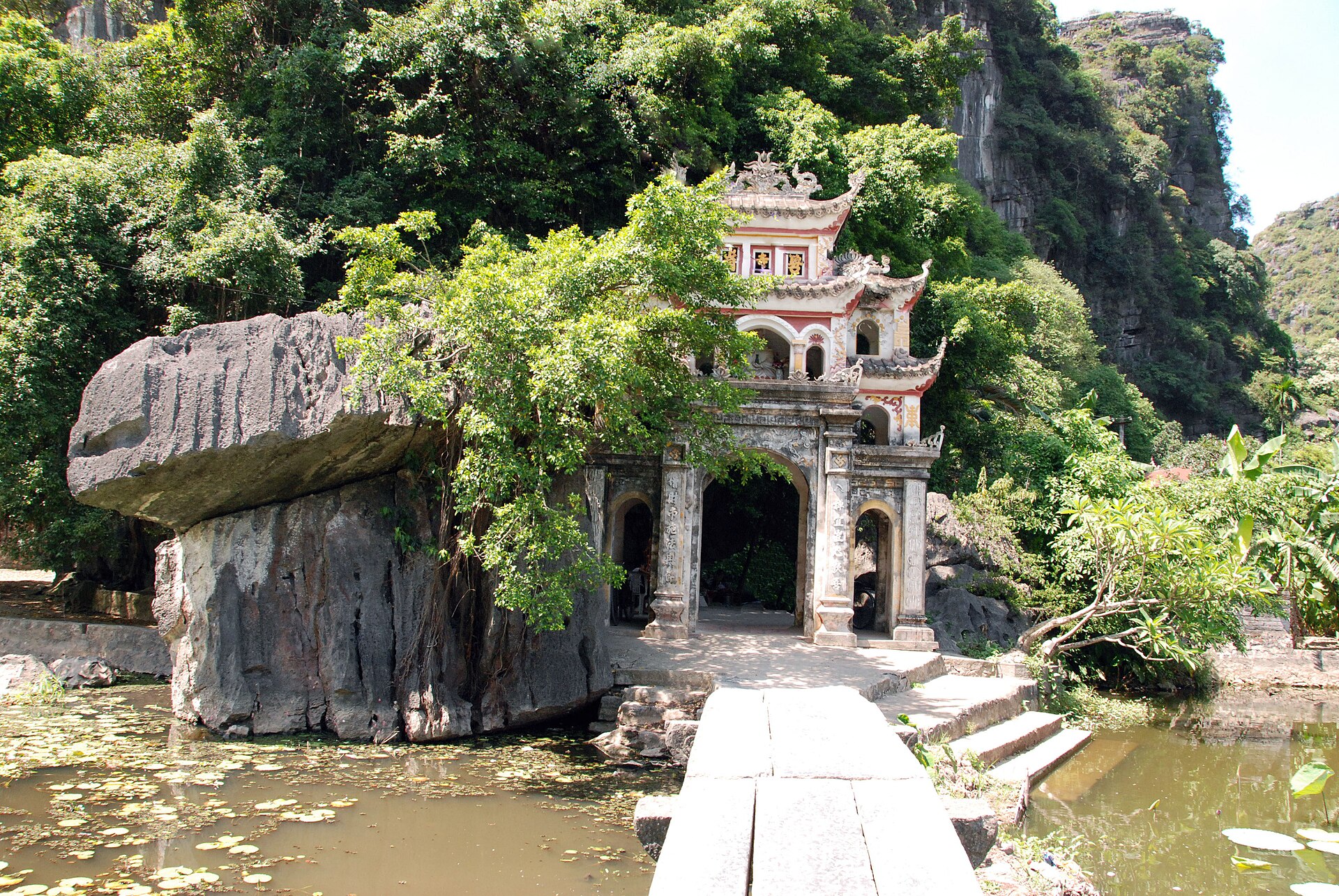
After breakfast or a rest, continue towards Bích Động. Its religious architecture is arranged across lower, middle and upper levels in a limestone setting. The heritage management board’s account connects the expansion of the complex with monks Chí Kiên and Chí Thể in the late seventeenth and early eighteenth centuries.
Allow around an hour, longer if you enjoy architectural detail. The upper sections involve steps and cave surfaces; visiting only the lower area is a reasonable choice. Cover shoulders and knees, follow local instructions about footwear and photography, and keep voices low. Check the current arrangements for access and parking rather than assuming that every service is included in a broader Tam Cốc ticket.
Afternoon: choose a village walk or a second boat journey
For the slower version, have lunch, rest and explore a short route near your accommodation. Ask before entering a field or photographing someone at work. A path through crops is not automatically a public shortcut. Courtesy matters more than collecting “authentic” scenes.
If rivers and paddies are your main interest, choose Tam Cốc’s boat journey instead. It offers a different setting from Tràng An, but doing both is optional. Allow a separate half-day including transfers and waiting, and remove the village walk. Late-May rice colour is highlighted by the tourism authority, yet planting and harvesting vary. Do not book a trip on a guarantee that every field will be golden.


Day 3: wetland wildlife or one more quiet morning
With a third day, consider Vân Long and arrange a separate transfer. The Ramsar site record describes a rare combination of freshwater wetland and limestone habitat, important for waterbirds and the critically endangered Delacour’s langur. This is a conservation landscape; wildlife sightings are never guaranteed.
Allow half a day for the outing, including the journey from your base. Ask locally about suitable conditions and permitted boat routes. Bring binoculars if you have them, keep noise low, and never feed or call to animals to obtain a photograph.
Alternatively, return to the Hoa Lư area for Nhất Trụ Pagoda. The conservation centre describes its surviving tenth-century stone Buddhist scripture pillar. It offers a more focused historical stop after the larger temple precinct. Leave the rest of the morning free before returning to Hanoi. If you arrive on the morning of day one, use this third day to recover the sightseeing time rather than adding another distant excursion.
Food: rice, goat dishes and clear questions
Ninh Bình’s recognised specialities include goat dishes and cơm cháy, crisp rice commonly served with a savoury accompaniment. The provincial tourism centre describes its preparation as a sequence of cooking, drying and frying; sauces and toppings vary. Try it at a sit-down meal so you can experience more than the packaged snack version.
Order a modest amount first if travelling alone: a dish intended for sharing may be larger than expected. Ask the price and portion size before ordering goat by weight. Vegetarian diners should check the sauce and any pork floss, meat stock or fish sauce. Prefer thoroughly cooked dishes if uncertain about preparation. The official travel-safety guidance recommends freshly prepared food and care with drinking water.
Official ticket information and estimated costs
The Tràng An management board’s 2026 tariff, checked on 12 October 2026, lists the following adult prices. Ask the ticket office to confirm the route, inclusions and any additional services.
| Visit | Posted price | Important distinction |
|---|---|---|
| Tràng An ecological tourism area | 300,000 VND | Standard listed adult category, over 1.3 m |
| Tam Cốc–Bích Động visit | 250,000 VND | Without electric shuttle |
| Tam Cốc–Bích Động shuttle-inclusive option | 350,000 VND | Listed circuit includes additional stops |
| Hoa Lư ancient capital | 20,000 VND | Adult admission |
| Hang Múa | 150,000 VND | Listed admission |
| Vân Long | 100,000 VND | Confirm the offered trip and inclusions |
Older official articles still quote 250,000 VND for Tràng An; this guide uses the management board’s newer 2026 tariff. For rough planning, allow 800,000–1,500,000 VND per person per day for a modest shared stay, local meals, some cycling or shared transport, and admission averaged over the trip. A more comfortable stay with private transport may need 1,800,000–3,000,000 VND or more. These are editorial allowances, not current room or vehicle quotes; add Hanoi transfers separately.
Three real places to consider staying
- Tam Coc Garden, in Hải Nham: a countryside retreat with several room and bungalow styles. Consider it when the accommodation and time spent there are an important part of the trip.
- Tam Coc La Montagne Resort & Spa: a landscape-oriented property beyond the central pier area. Use the hotel’s own directions and arrange transfers rather than assuming every restaurant is nearby.
- Emeralda Resort Ninh Binh, at Vân Long: useful if the wetland and resort downtime are priorities. Its location requires a different transport plan from staying in Tam Cốc.
These suggestions are based on official property information, not an overnight inspection. Check your dates, total price, cancellation terms and accessibility directly. The budget estimates above do not represent quotes from these hotels.
When the weather changes
Ninh Bình has fewer major indoor alternatives than Hanoi. For light rain, shorten the day to accessible temple halls, a long lunch and time at your accommodation; sheltered stops still involve outdoor approaches. Ask your host whether an indoor cooking or craft activity is available. During severe weather, follow closure instructions and postpone boats, caves and exposed viewpoints.
Do not make sunset at a viewpoint the condition for a successful trip. A flexible order, an extra night and a willingness to slow down protect both your safety and the pleasure of being here. The strongest memory may come from looking carefully at one carved stone or one bend in the river, with nowhere urgent to be next.
Read more on Vietnam Story
- Understanding Vietnam Before You Visit
- What Makes Vietnamese Food Vietnamese
- Vietnam Through the Centuries
Research checked 12 October 2026. Admission prices rechecked before publication on 13 October 2026 (Vietnam time). This is an independently prepared planning guide based on the official sources linked beside the relevant information. Suggested timings and general spending allowances are editorial estimates. Prices, operating arrangements and room availability can change. Photographs are dated documentary images, not a live view of conditions.