
Vietnam Places · Imperial heritage
Huế in Two or Three Days: Imperial History, Royal Tombs and Local Food
How to read Vietnam’s former imperial capital, choose the right tombs and enjoy the city without rushing from gate to gate.
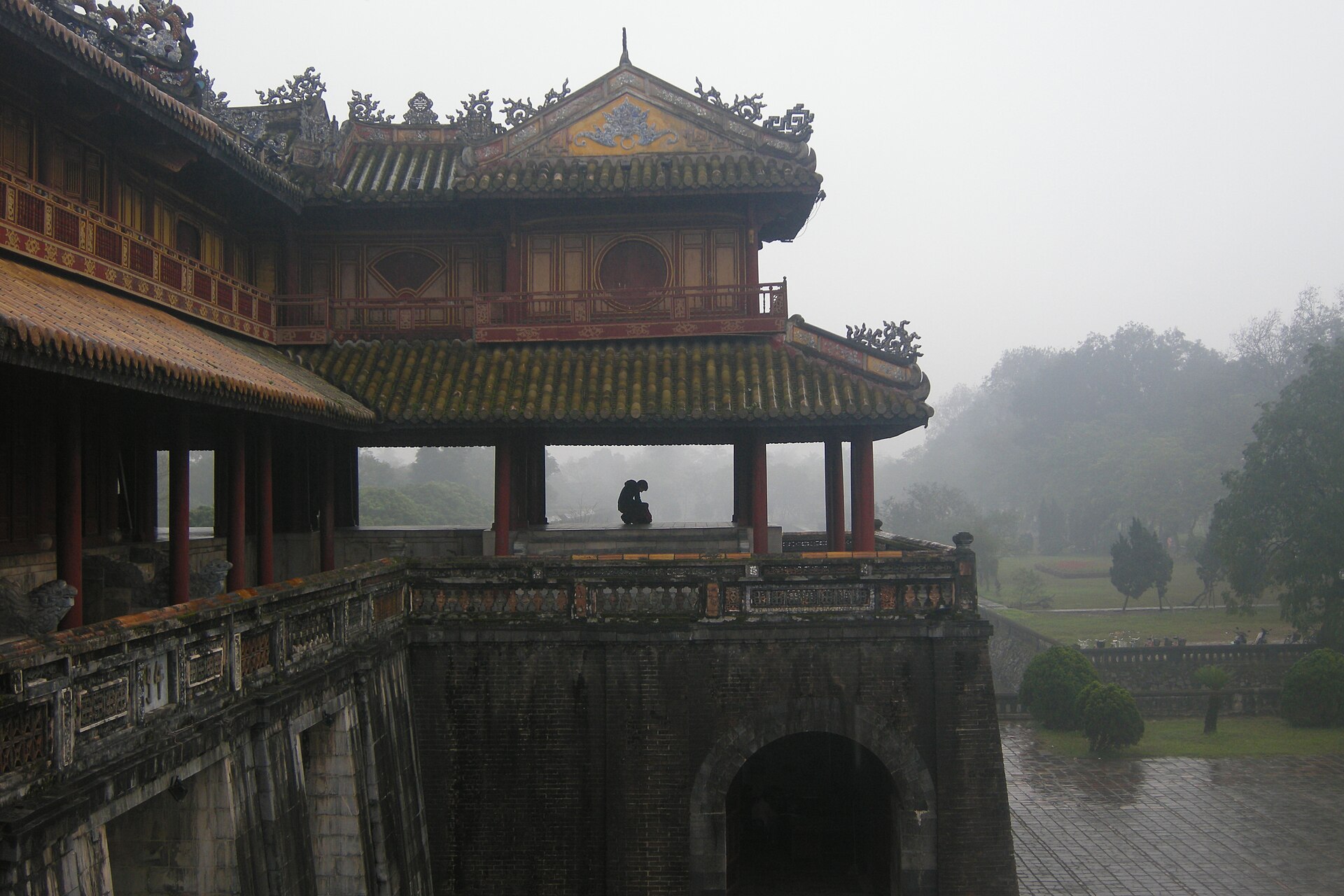

Stay two nights in Huế if you can. The former imperial capital makes far more sense when you have a morning for the palace complex, a separate day for the royal tombs, and enough unscheduled time to eat. A rushed stop can leave you with photographs of several gates but little understanding of the city that built them.
Huế rewards a particular kind of attention. At the Imperial City, look at who could pass through each space. At a tomb, notice the relationship between architecture, water and hills. At lunch, order a few small dishes and see how much variety fits onto a table. This guide brings those experiences together into a realistic two-day route, with a third day for travellers who would rather linger.
Understand the capital before entering the palace
Huế became the capital of unified Vietnam in 1802 and remained the Nguyễn dynasty’s political, cultural and religious centre until 1945. The UNESCO World Heritage account explains a landscape planned around the Perfume River, surrounding hills and cosmological principles. The important point for a visitor is that the monuments were conceived in relation to one another. A palace courtyard, a river approach and an imperial tomb belong to a wider idea of authority and order.
It helps to separate three terms that are sometimes treated as interchangeable. The larger Citadel contained an urban and defensive system. Within it lay the Imperial City, with ceremonial and administrative spaces; the more restricted Forbidden Purple City lay further inside. You are visiting the surviving and restored parts of a layered complex, not a single palace preserved untouched. UNESCO notes both war damage and substantial conservation work.
Begin with the site’s map and follow the principal ceremonial axis before wandering into the side compounds. Read a few labels closely rather than trying to absorb every building name. Questions are useful here: who used this doorway, what happened in this hall, and why does the route narrow or open up at this point? A good local guide can give the layout a human scale.
If you have already read Vietnam Story’s history introductions, this is where the chronology acquires physical form. The dynasty’s buildings sit beside a modern city with schools, markets, places of worship and daily routines. Leave some time to encounter those, too.
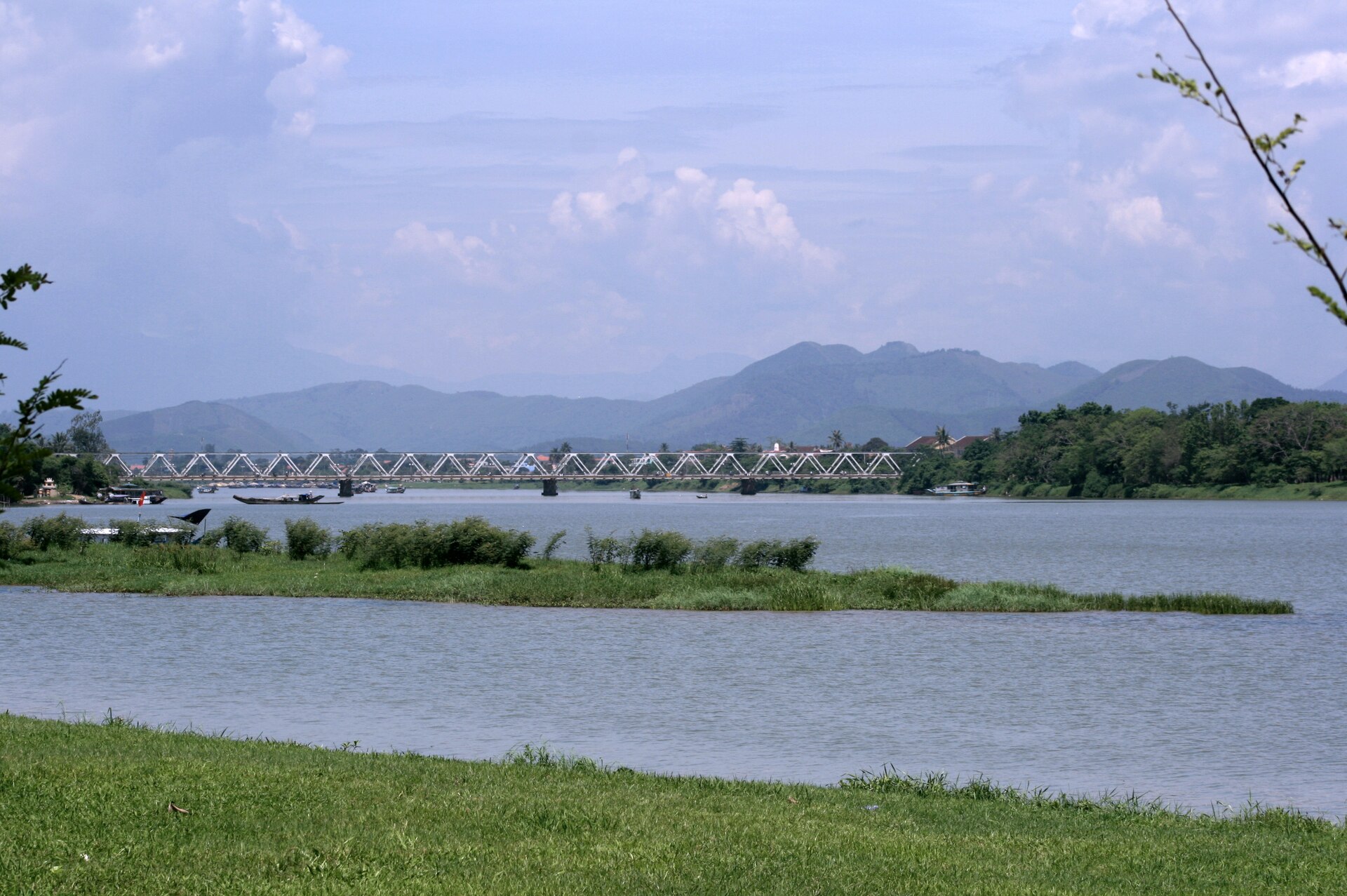


Two days that feel like a visit rather than a checklist
Day one morning: give the Imperial City your best attention
Arrive early enough to use the cooler part of the day and allow roughly three hours as a planning estimate. Bring water, sun protection and shoes comfortable on uneven surfaces. Start at Ngọ Môn, then follow the main route towards the palace spaces before exploring a smaller selection of courtyards and halls. Current restoration barriers may change the route, so follow on-site directions instead of an old map.
Do not treat the complex as a race to the farthest point. Stop where you can understand a detail: a roof ornament, a ceremonial threshold, the arrangement of a courtyard. Families may prefer a shorter visit with a handful of buildings and a break. Travellers with reduced mobility should ask the ticket office about the usable route, steps and current access arrangements before paying.
Day one afternoon: lunch, a pause, and Thiên Mụ
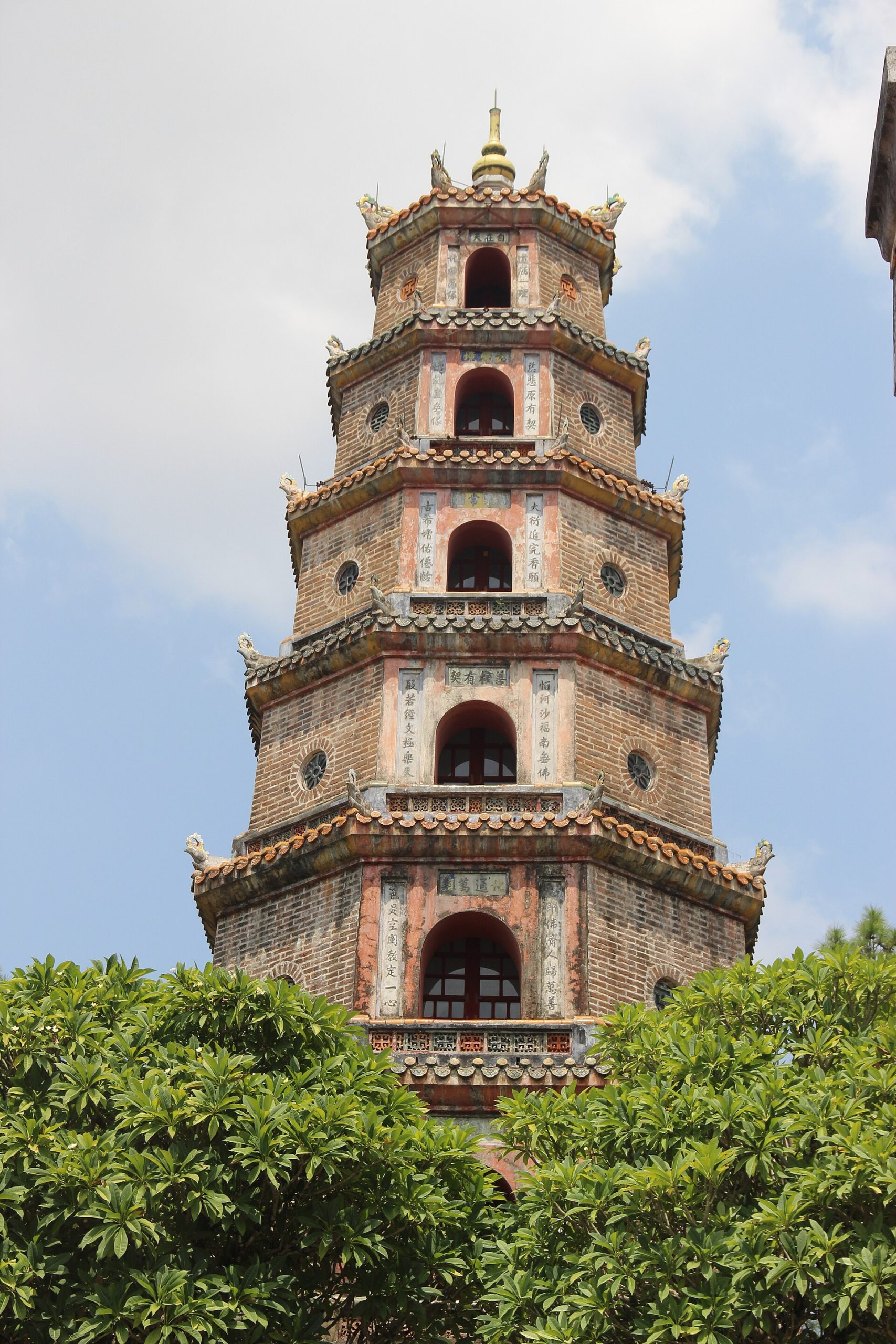
Make lunch and a proper rest part of the plan, particularly in hot weather. Later, travel west to Thiên Mụ Pagoda. The national tourism database dates its foundation to 1601 and separately recounts the legend of an old woman foretelling the arrival of a ruler who would build a pagoda. Treat the story as a legend attached to the place, rather than a witnessed historical event. The official site description gives both strands.
This is a place of worship as well as a visitor landmark. Dress modestly, keep your voice low and observe any photography restrictions. A river journey can be enjoyable, but check the departure point, total duration, landing arrangements and return transport before agreeing to a boat trip. A car transfer is a straightforward alternative if weather or time makes a river outing unsuitable.
End with a short riverside walk and dinner near your accommodation. You do not need to add another monument just because there is daylight left.
.jpg)
Day two: compare two royal tombs
For most first visits, two tombs are enough in one day. They are outside the central sightseeing area, so arrange a driver, a clearly specified small-group tour or another transport option you are comfortable using. Agree on the exact stops, waiting time and total price. A cheap transfer with compulsory shopping detours may cost you the better part of the day.
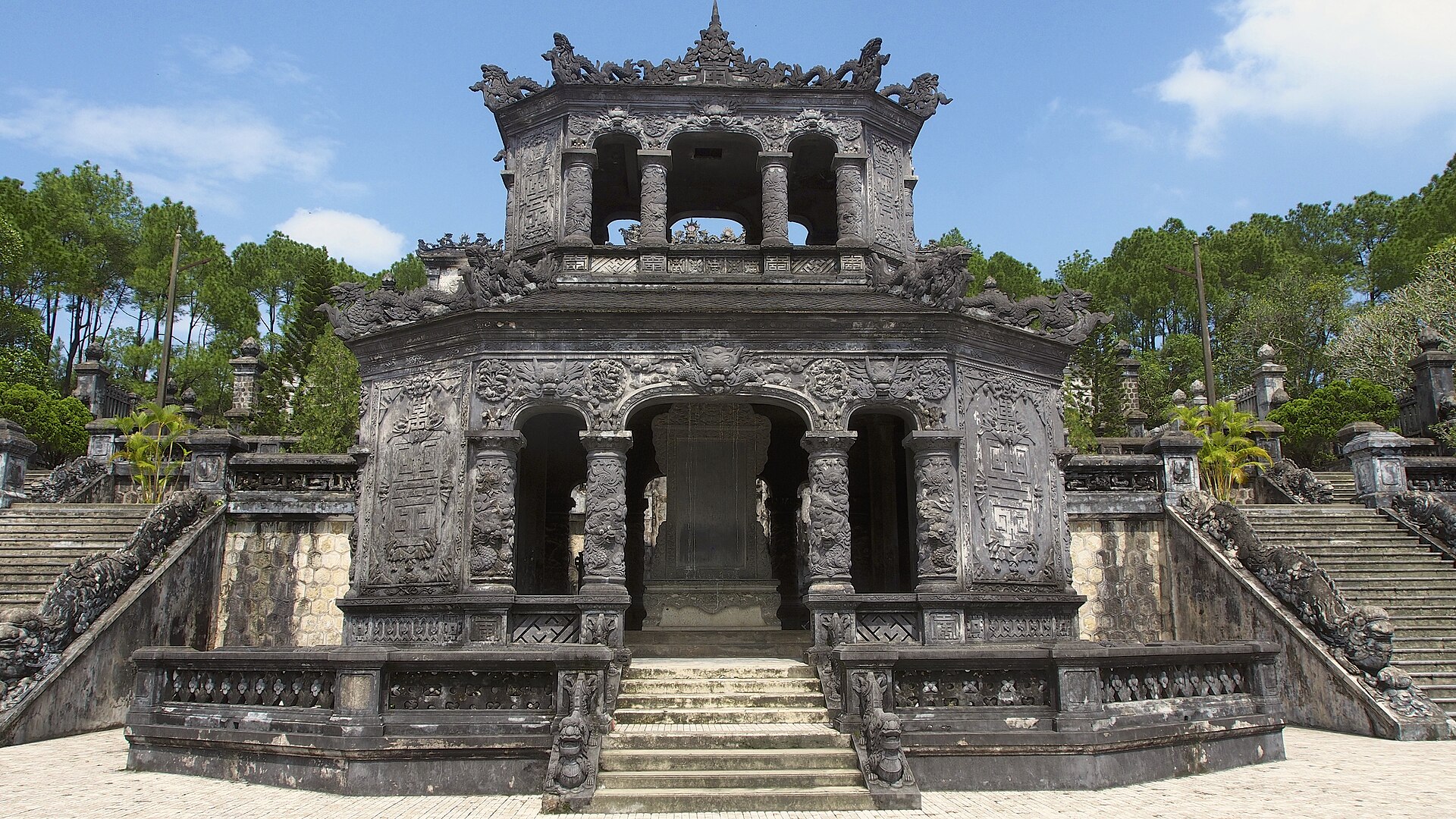
Minh Mạng and Khải Định make a useful pairing for architectural contrast. At Minh Mạng, follow the ordered sequence of gates, courtyards and water. At Khải Định, prepare for a more compressed, vertical visit with substantial stairs, followed by richly decorated interiors. Vietnam Tourism’s guide to the royal tombs describes the markedly different layouts and the blend of Vietnamese and European influences at Khải Định.
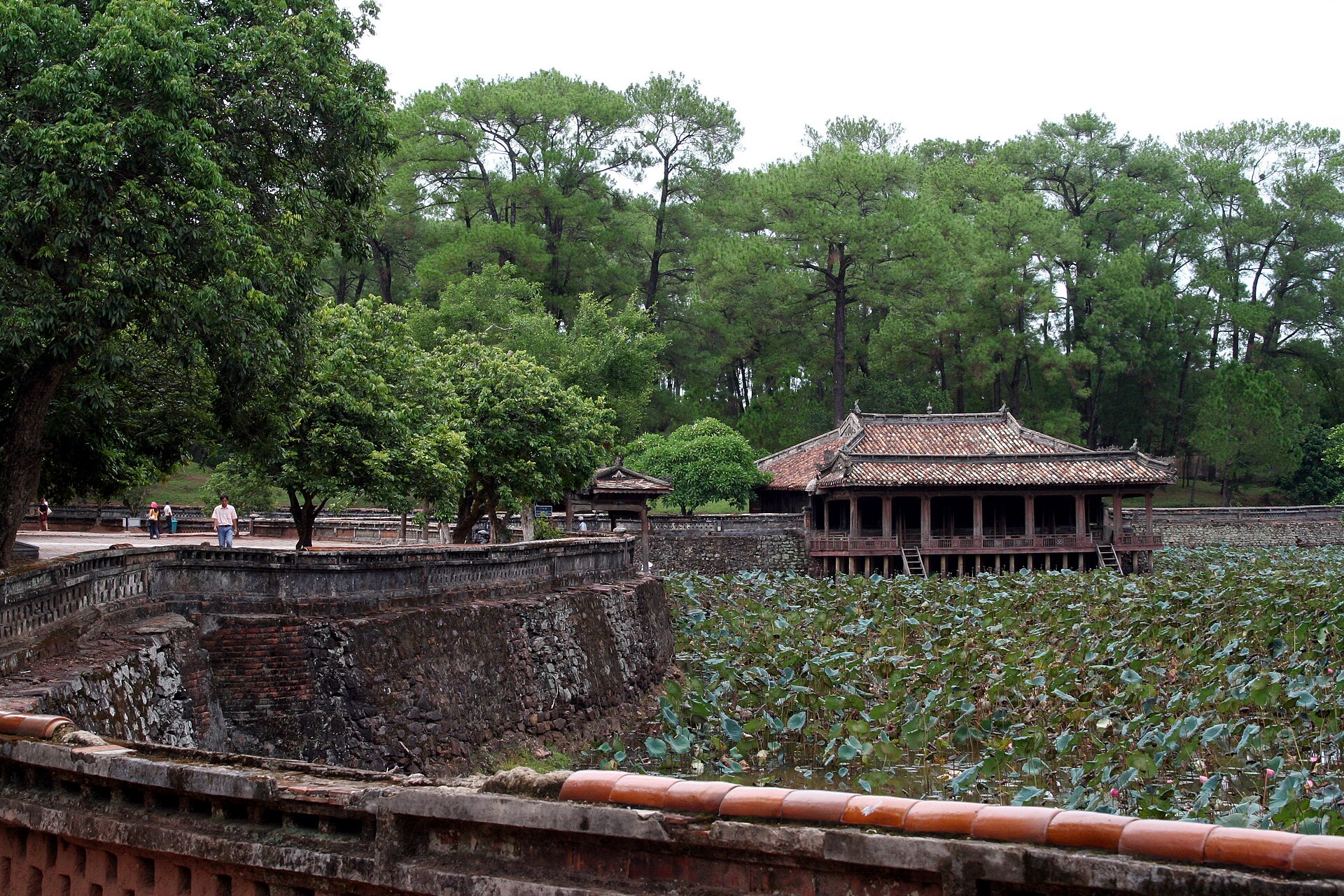
Tự Đức is an alternative if gardens, lakes and a more meandering route appeal. Construction took place from 1864 to 1867, and parts of the complex served the emperor during his lifetime. The pavilions beside the lake help explain why this was more than a burial monument. The official destination record identifies former working and resting spaces that later became places of worship. Choose it in place of one of the other tombs rather than automatically adding it.
Leave the afternoon flexible for lunch, a garden café or a small craft stop that genuinely interests you. If you stop at an incense workshop, ask before handling materials or arranging the display for a photograph. Pay for a demonstration or purchase only on agreed terms.
.jpg)
A third day: objects, everyday food and living performance
Use an extra morning for the Museum of Royal Antiquities or An Định Palace, checking current access first. Objects can answer questions the larger architecture leaves open: what people wore, used, exchanged or placed in ceremonial settings. Later, browse Đông Ba Market with time to notice the food stalls and ordinary shopping, while keeping the aisles clear.
A performance can add another layer. UNESCO describes Nhã nhạc as court music and dance associated with royal ceremonies, strongly institutionalised under the Nguyễn dynasty. It was proclaimed in 2003 and inscribed on the Representative List in 2008. Ask the venue what form of music is being performed and for how long. Do not assume every tourist boat programme is a Nhã nhạc performance; Huế has multiple musical traditions.

2026 monument fees and the ticket that fits your route
Huế’s official 2026 fee schedule is unusually useful for planning. Choose your actual sites before buying a combination ticket.
| Ticket | Fee | Useful for |
|---|---|---|
| Imperial City | 200,000 | A palace-focused visit |
| Minh Mạng, Tự Đức or Khải Định tomb | 150,000 each | Choosing individual tombs |
| Imperial City + two of those three tombs | 420,000 | The exact approved combinations are listed by the authority; confirm permitted visit dates before buying this ticket |
| Imperial City + all three named tombs | 530,000 | A more intensive visit; maximum validity two days from the start of sightseeing |
| Royal Antiquities Museum or An Định Palace | 50,000 each | An additional cultural stop |
The adult three-site combination saves 80,000 VND against 200,000 + 150,000 + 150,000 bought separately. The official schedule has separate child and concession rules; confirm your party’s eligibility rather than treating the adult figures as universal. Sources: Huế’s published fee regulation, pages 3–4 and the official monument ticket system. No ticket has been reserved, and a later notice can supersede these prices.
An illustrative two-night budget
For two adults sharing a room, budget per person about 600,000–1,500,000 for half of two nights in a room costing 600,000–1,500,000 nightly; 600,000–1,000,000 for food and drinks across three calendar days; 400,000–700,000 towards shared local transport; and 500,000 for separate Imperial City and two tomb admissions. That produces an illustrative total of 2,100,000–3,700,000 VND per person. This two-day example does not assume that the three-site combination ticket can be used across both days; confirm its permitted visit dates before choosing that option.
Only the monument ticket in this example is a checked tariff. The other amounts are planning allowances, not hotel offers or guaranteed transport prices. Intercity travel, airport transfers beyond that allowance, guides, performances, insurance, shopping and extra entry fees are excluded. The hotel examples below span different market positions and are not promises that these room-budget figures will buy a stay there.
Make room for small dishes
Huế’s food deserves more than one hurried bowl between tombs. Begin with bánh bèo, small steamed rice cakes usually served with savoury toppings; add bánh nậm or bánh bột lọc for a change of texture. Bánh khoái brings a crisper, more substantial option. Vietnam Tourism’s local food guide is a useful introduction to the names before you meet them on a menu.
Order a manageable selection and add more if you are still hungry. That lets you notice differences rather than confronting a table full of cooling dishes. Bún bò Huế is another natural choice, but ask what the specific bowl contains if you avoid pork or particular ingredients. A beef-named dish does not guarantee a beef-only broth or topping.
Resist the idea that every appealing Huế dish must have been invented for an emperor. The city’s food culture includes ordinary homes, markets and religious traditions as well as courtly associations. Enjoy an elaborate set meal if that is what you want, while recognising a “royal dinner” sold to visitors as a contemporary dining experience.
For vegetarians, explain whether fish sauce, shrimp paste, egg or dairy are acceptable. For allergies, communicate the ingredient directly and carry a translated note; removing a topping does not necessarily remove it from the sauce.
Where to stay
The south bank is a practical base for visitors who want to walk to dinner and arrange transport out to the tombs. A quieter garden stay can be rewarding if you plan time at the hotel and are happy to use transfers. Compare exact location, lift access if needed, breakfast, taxes and the cancellation deadline.
- The Scarlett Boutique Hotel, listed by the property at 17/1 Bến Nghé, is a central shortlist option. Ask for a room position suited to your noise preferences and check the current facilities for the category you choose.
- Pilgrimage Village offers a garden-resort setting outside the busiest centre. Its official information describes scheduled city shuttles. Verify the current schedule and return options so a quiet setting does not become an unexpected transport problem.
- Azerai La Residence, Hue, at 5 Lê Lợi, is a luxury riverside option. Its central historic building dates from the 1930s and formed part of a French colonial governor’s residence, while later wings extend the hotel. The property’s official factsheet explains that architectural history.
This shortlist is based on official location and facility descriptions, not a claim that we have stayed in the rooms. Rates and availability depend on your dates and have not been checked.
Arrival, weather and a sensible backup plan
Huế can be reached through Phú Bài Airport or the city’s railway station. If connecting from Đà Nẵng, compare a train journey with a road transfer using current schedules, and make clear whether a quoted drive includes sightseeing stops. A “scenic transfer” and a direct transfer have different time requirements. Keep luggage storage and check-in time in mind if you arrive before your room is ready.
March and April are useful months to investigate for an outdoor heritage trip. Summer can be very hot; a long midday pause is worthwhile. The national tourism board’s climate guide describes Huế’s extended wet period and flood risk in the autumn. Read a current forecast before travel and follow local warnings. A seasonal description cannot tell you whether a specific road or monument will be open.
On a merely rainy day, choose shorter outdoor visits and a confirmed-open museum. In heavy rain, flooding or a storm warning, the right alternative is to stay somewhere safe and change the programme. Museum buildings still require safe access, and a prepaid itinerary does not override a closure.
Huế’s strongest moments often come from slowing down enough to understand a place: the relationship between a gate and a throne hall, a lake beside a tomb, or the care taken over a small dish. Two thoughtful days will usually give you more than a single day spent collecting all the famous names.
Read more on Vietnam Story
- Understanding Vietnam Before You Visit
- What Makes Vietnamese Food Vietnamese
- Vietnam Through the Centuries
Research checked 12 October 2026. Admission prices rechecked before publication on 13 October 2026 (Vietnam time). This is an independently prepared planning guide based on the official sources linked beside the relevant information. Suggested timings and general spending allowances are editorial estimates. Prices, operating arrangements and room availability can change. Photographs are dated documentary images, not a live view of conditions.