
Vietnam Places · Living heritage
Hội An in Three Days: Old-Port History, Local Food and a Slower Itinerary
A practical guide to the Ancient Town, Trà Quế and the coast, with the cultural context that makes each stop worth your time.
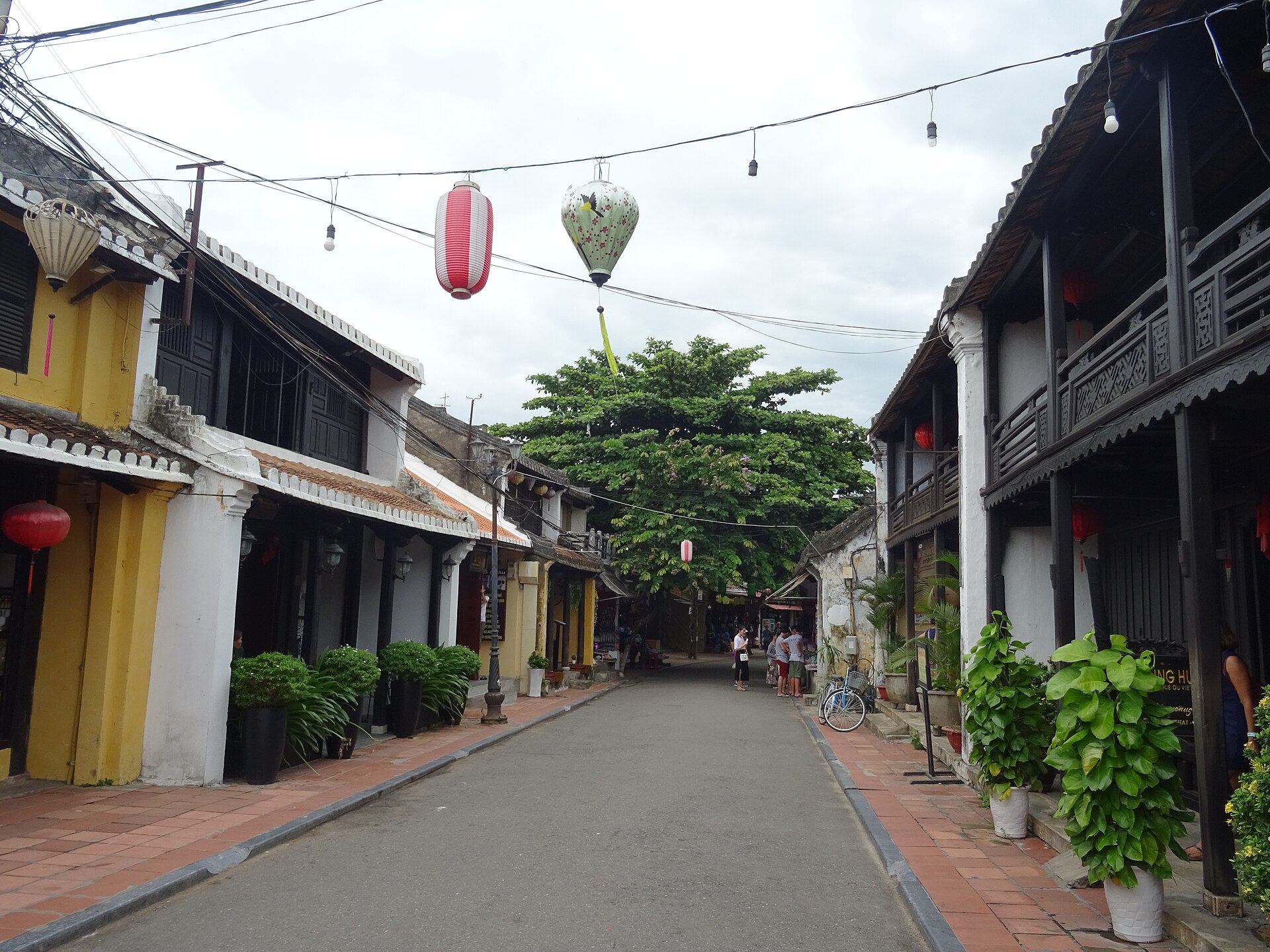

The best reason to stay in Hội An is the chance to see it at different hours. An early walk, a visit inside a merchant house and an evening by the river reveal different parts of the same town. Give it three days and you can also reach the vegetable-growing countryside or the beach without turning the Ancient Town into a hurried photo stop.
This route puts the trading-port history at the centre of the visit, then follows it outwards through food, craft and the landscape that supplies the town. Lanterns are part of the pleasure, but they make more sense when you have already noticed the timber houses, assembly halls and river-facing streets underneath them.
Read the old port through its buildings
UNESCO describes Hội An as a surviving Southeast Asian trading port active from the 15th to the 19th centuries. Its architecture reflects local traditions and contact with Chinese, Japanese and later European communities. Look at the long, narrow buildings and the relationship between the streets and the river: commerce helped shape the town’s layout. Houses could welcome customers from the street and move goods towards the waterfront. The World Heritage account provides the historical framework.
The town is still inhabited and commercially active. That matters when you visit an old house: a family altar, private doorway or upstairs room may be part of somebody’s everyday environment, not an invitation to explore. Follow the route the host or guide gives you, ask before photographing people and do not move domestic objects for a better composition.
Three stops that make the streets more legible
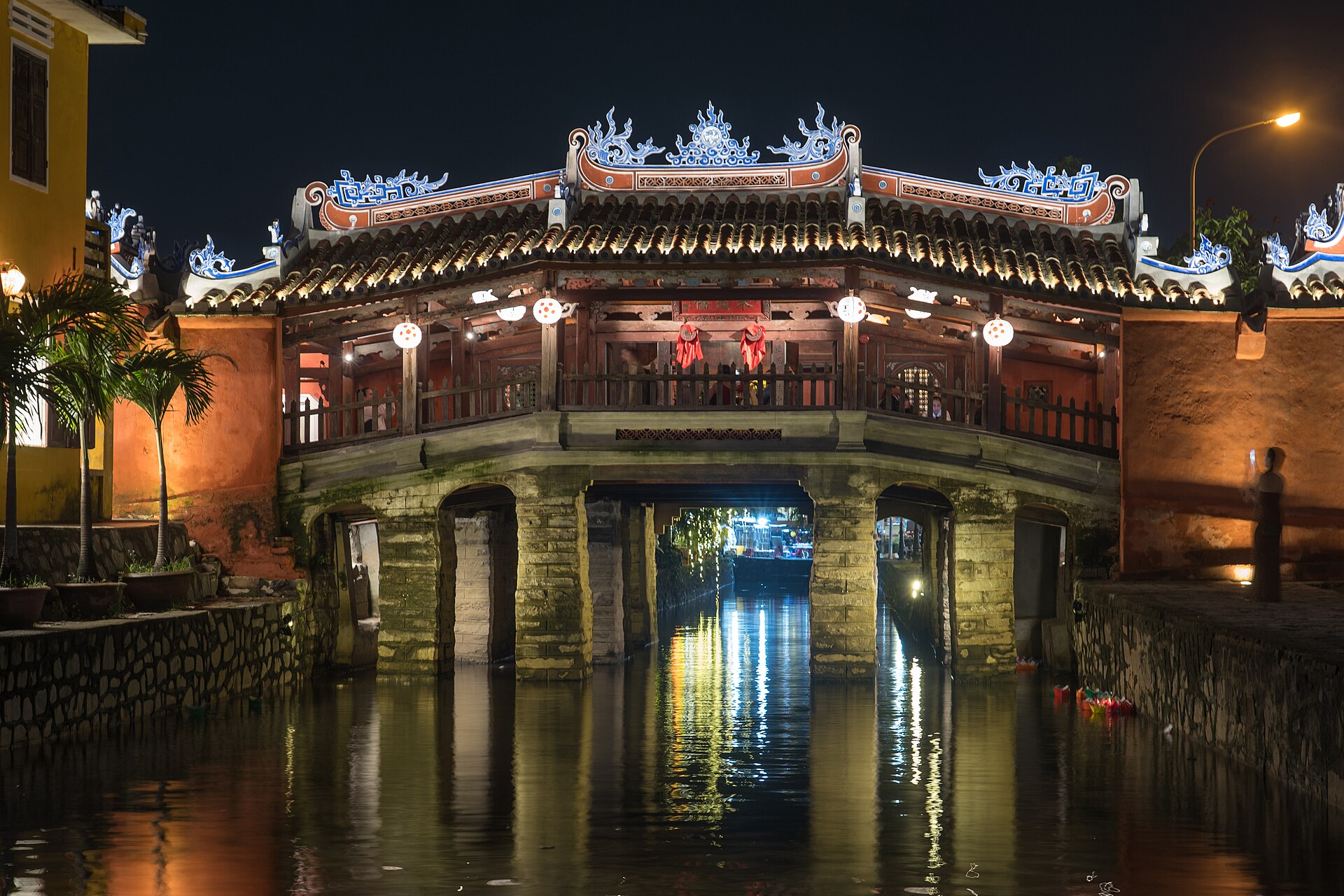
The Japanese Covered Bridge: use it to think about movement and cultural exchange, not simply as a backdrop. The local conservation centre notes that the exact dates of the original building process remain uncertain. A major restoration began in December 2022 and was inaugurated in August 2024. Differences between current appearances and older photographs can therefore reflect conservation. Read the heritage centre’s historical discussion and its restoration account.
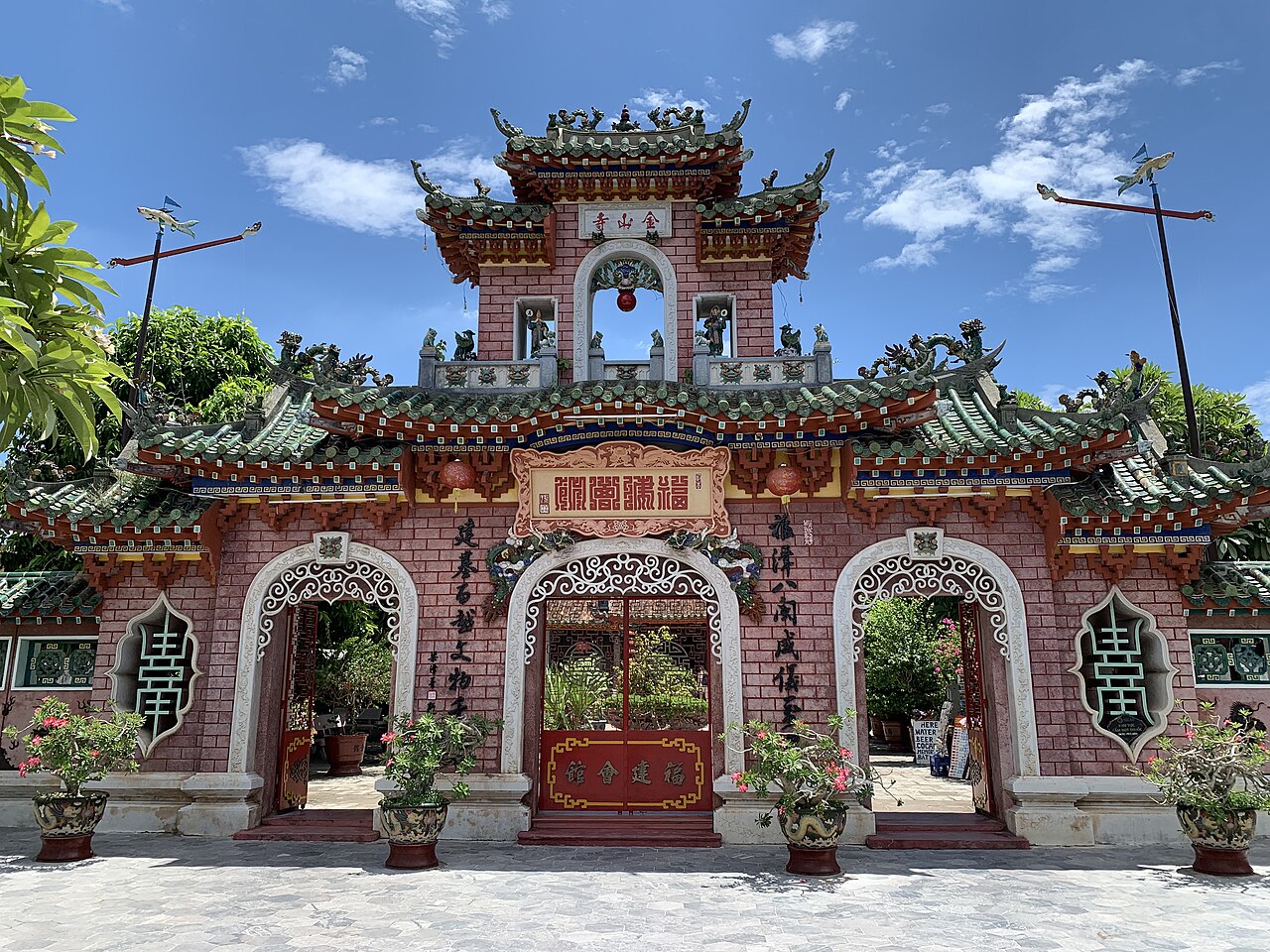
An assembly hall: Phúc Kiến is a useful example of how migration, trade and worship overlapped. The heritage authority describes it as a gathering and religious space for people from Fujian, with devotion to Thiên Hậu and other protective figures. The sea-facing concerns of a merchant community become easier to understand when you look at what was worshipped, rather than only the decoration. The official description explains the spaces and their functions.
The Museum of Trade Ceramics: a museum stop brings portable evidence into the story. Ceramics speak to exchange, skilled labour and consumption across communities. Let the objects complicate the postcard view of an “unchanging” town: trading ports were places where things, ideas and people moved. The museum’s heritage introduction is a helpful starting point.
_-_img_14.jpg)

A relaxed three-day itinerary
Day one: make the Ancient Town the main event
Walk early to get your bearings, then buy the appropriate sightseeing ticket from an official point before visiting the included monuments. Plan a modest sequence: the covered bridge or Quan Công Temple, a museum, an assembly hall and a house. You do not need to use every site entitlement immediately. Check which venues are open that day and spread the visits around meals and a rest.
Give the museum enough time to be useful. Choose a few objects and ask where they came from or how they were used. In a house, pay attention to light, ventilation and the depth of the plan. These small observations give the rest of your walk a purpose.
For lunch, try cao lầu and leave room for another local dish later. Spend the hotter part of the afternoon indoors or back at your hotel. Return in the early evening for the river and lantern-lit streets, then take a quieter parallel street when the busiest stretch becomes crowded.
If you choose a short boat outing, agree on the boat, passenger count, duration and total price at an official selling point. Use a properly fitting life jacket and follow local directions. Watching the river from the bank is also a perfectly good evening; there is no obligation to buy every experience presented to you.
Day two: follow lunch back to the fields
Head towards Trà Quế in the cooler morning. The village is close enough to combine with the coast, but choose your transport based on confidence and weather, not the assumption that all visitors should cycle. A guided ride can be useful for quieter routing; a car transfer is reasonable if heat, traffic or mobility makes cycling unattractive.
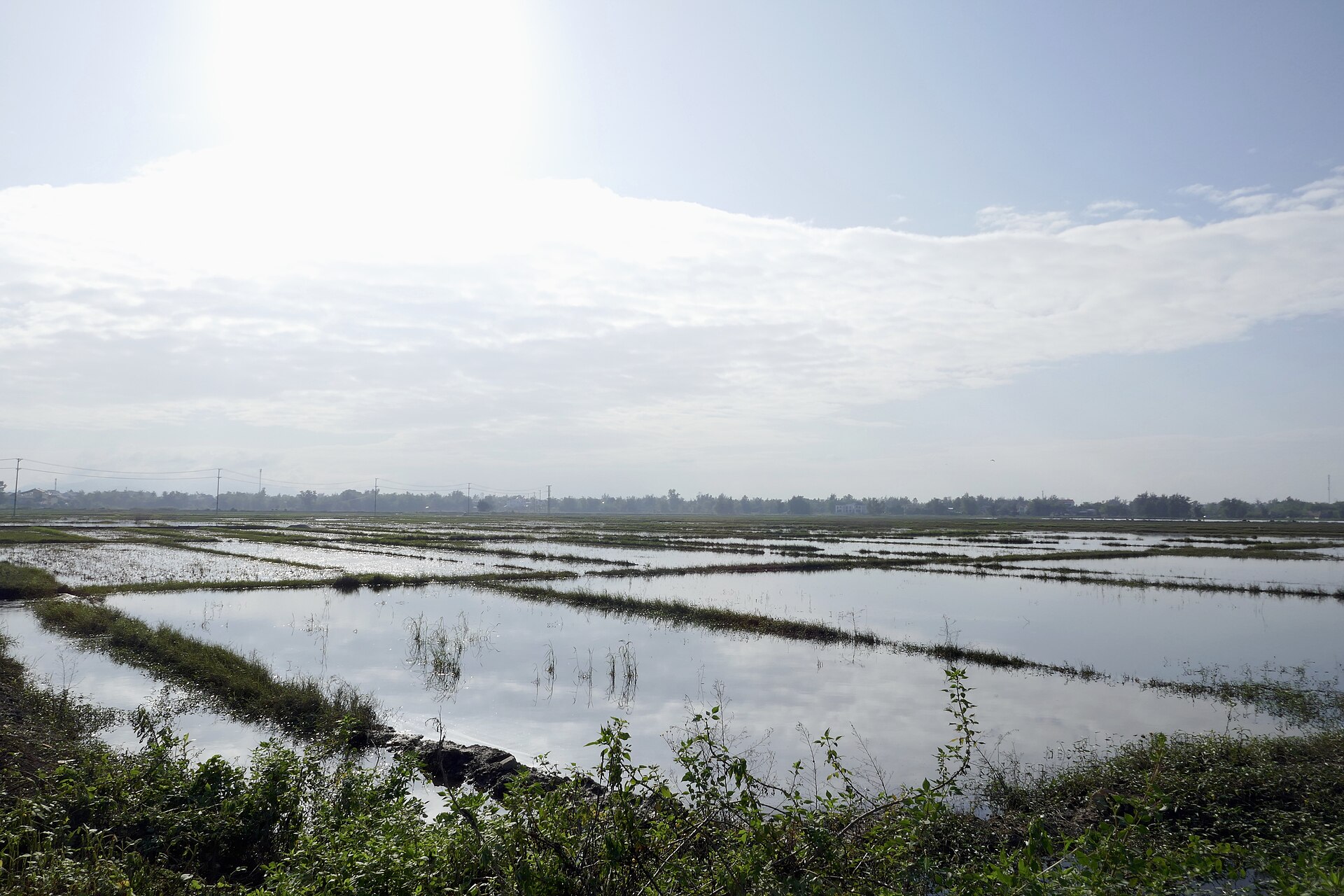
The local heritage authority identifies Trà Quế’s vegetable-growing knowledge as National Intangible Cultural Heritage, recognised in 2022. Its accounts describe manual cultivation and the use of local aquatic plant material in fertilisation. The important experience is a conversation about the work and the herbs, not dressing up briefly as a farmer for a photograph. Book a hosted activity if you want to enter growing areas or try the tasks. Read the village’s heritage introduction.
After lunch, decide between An Bàng Beach and a quiet afternoon. Check swimming flags and local advice on arrival. If you use a restaurant’s loungers, ask about the purchase requirement or fee before settling in. Keep beach time open-ended rather than planning it as another timed attraction.
.jpg)
Day three: choose one interest and leave space for departure
A cooking class, a craft workshop or more of the ticketed heritage sites makes a good final half-day. Choose by what you want to learn. For a cooking class, check whether the price includes market transport, ingredients, the meal and any dietary adjustments. For a workshop, ask how much you will make yourself and whether your finished piece can travel safely.
If tailoring is a priority, start on day one instead. Agree on fabric, lining, design, number of fittings, completion time and total cost in writing. Leave time for alterations and a final try-on before paying the balance. A photograph of a garment does not specify its construction, so discuss the details rather than assuming the shop will infer them.
For a longer stay, Mỹ Sơn deserves its own properly planned outing. Do not squeeze it into the same morning as hotel checkout and a flight. This three-day guide deliberately keeps the core visit close enough to enjoy Hội An at a human pace.
The current Ancient Town ticket structure
The conservation centre’s notice of 29 January 2026 gives two sightseeing packages. We checked that notice on 12 October 2026.
| Package | Included monument choices |
|---|---|
| 80,000 VND | Japanese Covered Bridge or Quan Công Temple, plus two other eligible monuments |
| 120,000 VND | Japanese Covered Bridge or Quan Công Temple, one museum, plus three other eligible monuments |
The notice also includes the town landscape and scheduled cultural activities. It says one ticket remains valid for the visitor’s stay for up to three days; keep the stub after using the monument entries. Children under 16 are listed as exempt. Confirm the appropriate ticket, eligible venues and any documentary requirements at an official counter. We do not relabel these packages by nationality because the current notice describes them by their different inclusions. Read the complete official 2026 notice.
A separate village visit, cooking class, boat ride or workshop is not automatically included. In particular, an older heritage article quotes a 35,000 VND Trà Quế ticket, but that 2022 figure is not used here as a confirmed 2026 price. Ask the current provider what its product includes before comparing it with another offer.
A three-day budget you can adapt
For three days and two nights, two adults sharing a room might set aside the following illustrative allowances per person: 600,000–1,500,000 for half of a room budgeted at 600,000–1,500,000 nightly; 600,000–1,050,000 for meals and drinks; 300,000–600,000 for local transport; 120,000 for the larger sightseeing package; and 400,000–800,000 for one optional hosted activity.
The resulting 2,020,000–4,070,000 VND per person is a planning example, not a bookable package. Only the heritage ticket is a verified tariff. Airport/intercity transport, tailoring, shopping, insurance and additional excursions are excluded. Add another room night if your arrival or departure requires it. The accommodation examples below may cost more than the sample room allowance.
What to eat and what the food tells you
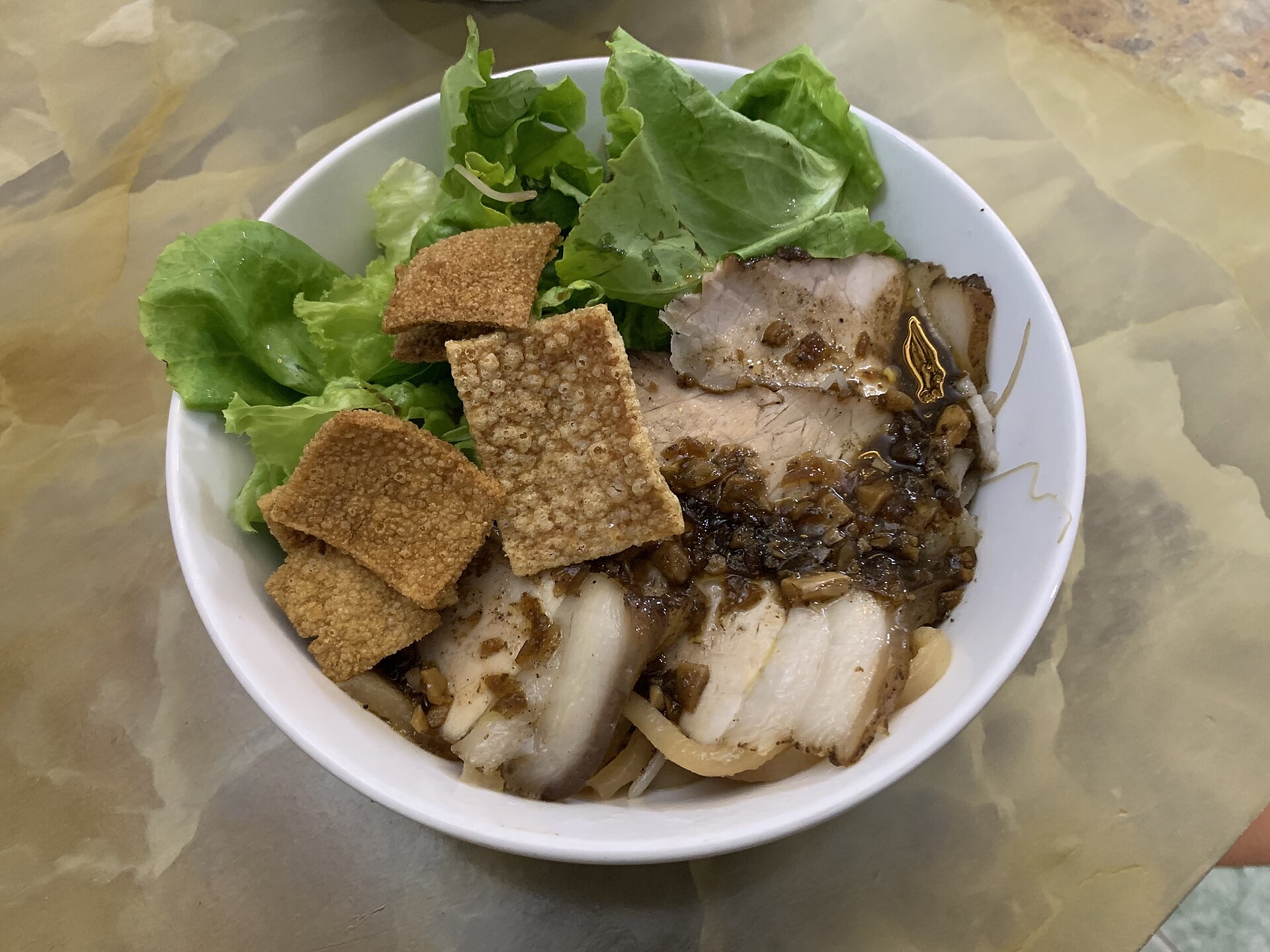
Cao lầu is the useful first order: a chewy noodle dish with pork, herbs and crisp elements rather than a large bowl of broth. Hội An chicken rice, cơm gà, offers another route into the local table. White rose dumplings, bánh bao bánh vạc, make a smaller addition. Vietnam Tourism’s food guide introduces these dishes and the stories attached to them.
You will hear explanations about the special water and ash used in cao lầu noodles. Present those as local food traditions and producer-specific methods, rather than proof that every bowl in town follows one secret recipe. A useful question for a cook is how their noodles are made and what makes their version distinctive.
Fresh herbs provide a direct connection with the agricultural landscape around the town. After a Trà Quế visit, take a moment to identify what appears on your plate. Ask how it is normally eaten instead of leaving all the greens as decoration. If you have allergies or avoid particular ingredients, explain those separately: a pork-free dish can still contain seafood or fish sauce.
For atmosphere, a riverside restaurant can be lovely; for food curiosity, a smaller menu and a dish being cooked frequently may be more useful than a long list of international options. Look at posted prices, ask about portion size and order enough to enjoy without wasting food.
.jpg)
Listen for Bài Chòi
Hội An’s evenings can include living cultural performance as well as shopping. UNESCO recognises Bài Chòi in Central Vietnam, an art combining music, poetry, acting and game traditions. Ask what is happening and how spectators can participate. Even without understanding every word, watching the relationship between the performers and the audience is more revealing than treating it as background sound for a photograph.
Three different ways to stay
For the itinerary above, location is usually more important than a long facility list. Check how you will get home at night, whether breakfast suits early outings, and whether your chosen room faces a road, garden or active public space.
- Anantara Hoi An Resort is a luxury riverfront option less than a kilometre from the historic quarter according to the hotel. It suits travellers who want a resort setting while keeping the town walkable. Compare the exact room and rate conditions.
- La Siesta Hoi An, on Hùng Vương, offers a larger garden-resort experience with several pools. Consider it if you want time at the property as well as sightseeing. Check the room wing and current transport arrangements rather than assuming every room has the same outlook.
- Hoi An Chic Green Retreat describes a small countryside property between the town and the coast, with a rooftop pool, bicycles and scheduled shuttles. It is a candidate for travellers who value the rice-field setting and are happy to plan their journeys into town.
These suggestions are based on official hotel descriptions checked for this guide. We have not verified a room for particular dates, inspected service in person or quoted a live rate. Ask for the final price including taxes, breakfast, extra beds and any transport you need.
Arrival, rain and visiting considerately
Đà Nẵng is the usual airport and railway gateway. As one reference point, Anantara estimates about 50 minutes by road from the airport to its Hội An property; your actual journey depends on traffic, hotel position and conditions. Confirm the pickup point and whether the quote is per vehicle or per person. The hotel’s arrival page provides that orientation.
For walking and beach time, investigate the spring months first, while remembering that summer heat can also be significant. Autumn travel needs greater flexibility because heavy rain and flooding can affect the central coast. Check forecasts and your accommodation’s local advice shortly before arrival. If a street is flooded, do not enter the water for a photograph or assume a tourist boat makes it safe.
On an ordinary rainy day, switch to confirmed-open museums, a workshop or a longer meal. During severe weather, follow closures and stay somewhere safe. An indoor attraction is only a useful alternative if the route to it is safe as well.
Finally, remember that much of the charm you came to see requires daily maintenance and somebody’s work. Buy the right ticket, respect the boundaries of homes and worship spaces, and ask before photographing people at close range. Hội An is easier to appreciate when you let it be a living town, with a past you can learn about and a present you can visit thoughtfully.
Read more on Vietnam Story
- Understanding Vietnam Before You Visit
- What Makes Vietnamese Food Vietnamese
- Vietnam Through the Centuries
Research checked 12 October 2026. Admission prices rechecked before publication on 13 October 2026 (Vietnam time). This is an independently prepared planning guide based on the official sources linked beside the relevant information. Suggested timings and general spending allowances are editorial estimates. Prices, operating arrangements and room availability can change. Photographs are dated documentary images, not a live view of conditions.