
Vietnam Places · City culture
Hanoi in 3 Days: A Thoughtful Guide to History, Food and Everyday Life
A realistic route through the capital’s streets, museums and food traditions, with checked admission fees and carefully chosen stays.
.jpg)
In this guide
- Before you arrive: choose a useful base
- Day 1: Hoàn Kiếm, trading streets and water puppets
- Day 2: learning, government and difficult history
- Day 3: Vietnam’s cultural diversity and a slower afternoon
- What to eat, and how to order comfortably
- Tickets and a realistic planning budget
- Three accommodation options to compare
- Rain, road crossings and respectful visits
Three days in Hanoi work best when you leave room between the sights. A lake walk, a bowl of noodles and an unhurried museum visit can reveal more than a day spent racing across the city. This itinerary gives each day a different focus: the lived-in streets around Hoàn Kiếm, the institutions that shaped the capital, and the cultural variety of Vietnam beyond Hanoi.
Plan for three full sightseeing days, ideally with your arrival evening kept free. The suggested times are planning allowances, not opening-hour guarantees. Official visitor information and prices were checked on ; reconfirm special closures before travelling.
Before you arrive: choose a useful base
For a first visit, stay around Hoàn Kiếm Lake or the Old Quarter if you want to walk to dinner and return easily for a midday break. A room beside a busy street can be convenient and noisy. Ask about windows, lift access and the quietest room category rather than relying on the word “boutique.” Streets south of the lake are useful for the museums on day two.
From Nội Bài Airport, choose an official taxi queue, a prearranged hotel transfer or a suitable bus. The airport’s current transport page lists bus 86 to Hanoi Railway Station at 50,000 VND per journey. Check the stop nearest your hotel and the last departure; the bus does not deliver you to every Old Quarter doorway. Allow a generous transfer buffer rather than booking a performance immediately after landing.
Walk within each neighbourhood and use a car between the more distant stops. Hanoi rewards short loops with breaks. Its summer heat and winter drizzle are real planning considerations; the national tourism authority’s Hanoi overview identifies autumn as a generally comfortable period, while describing hot, humid summers and cool, drizzly winters.
Day 1: Hoàn Kiếm, trading streets and water puppets
Morning: learn the city’s rhythm beside the lake
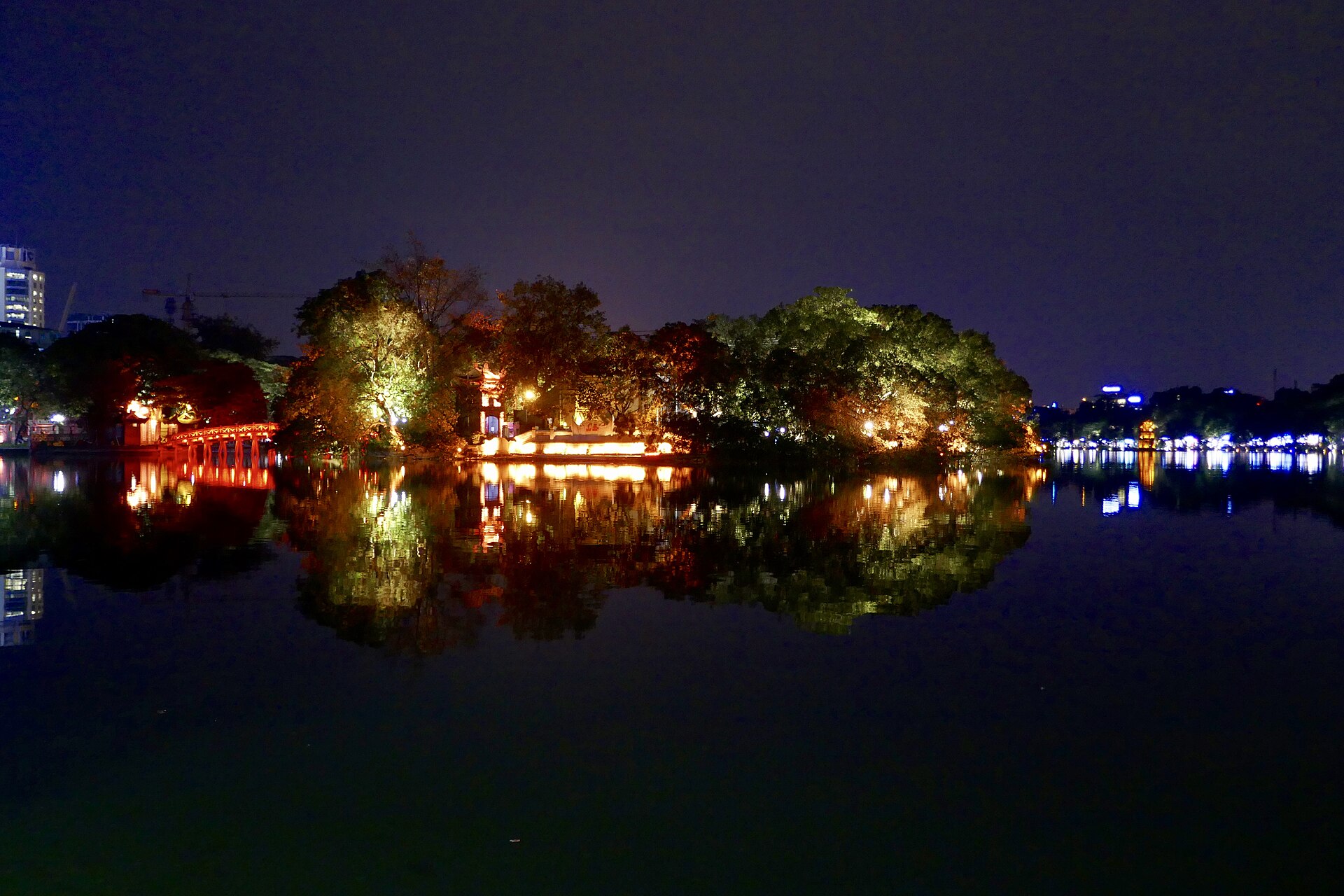
Start around 7:30 or 8:00 with breakfast, then walk a comfortable stretch of Hoàn Kiếm’s shore. Leave your first hour deliberately open. Watching exercise groups, commuters and café preparations gives you a gentler introduction than plunging straight into a crowded shopping lane. Pause near the red Thê Húc Bridge; crossing into Ngọc Sơn Temple is an optional paid visit, with the ticket to be checked locally.
The lake’s name is tied to a legend about Emperor Lê Lợi returning a divine sword to a turtle after victory. Treat it as folklore with an enduring place in the city’s identity. The Thăng Long theatre’s account of its repertoire explains how this story also appears on the water-puppet stage. Remembering it now makes an evening performance more legible.
Late morning and afternoon: a small Old Quarter loop
Head north into the Old Quarter, choosing a handful of streets rather than attempting every famous name. Hàng Bạc, Hàng Mã and the area around Đồng Xuân Market make useful anchors. Hanoi’s trading streets developed around particular crafts and merchandise, a legacy described by the national tourism authority. Look for the relationship between the street names, shopfronts and goods still sold today, while remembering that businesses and residents continue to change.
Give this walk about two hours, including a drink. Markets are workplaces: keep doorways clear, ask before photographing people closely, and agree a price before accepting a cyclo ride or having something made. A polite refusal is enough if you do not want to buy. You do not need a shopping transaction to justify looking around.
Have lunch, then rest through the hottest part of the day. Later, explore the streets near St Joseph’s Cathedral or return to a café you noticed that morning. The tourism authority’s self-guided walking routes provide further orientation; adapt the distance to your energy instead of treating a mapped route as a checklist.

Evening: see the stories move
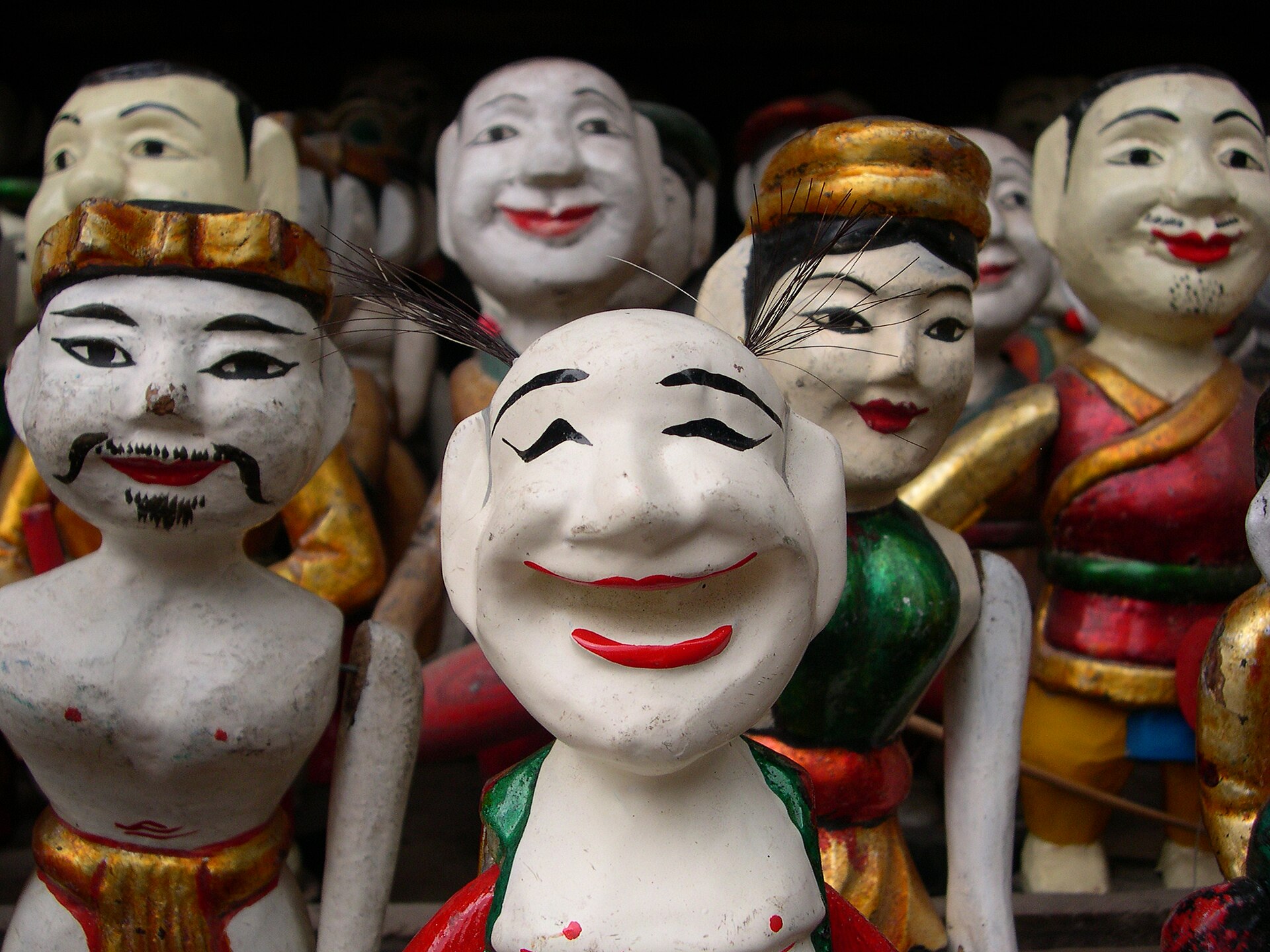
A performance at Thăng Long Water Puppet Theatre makes an easy final appointment near the lake. The theatre lists a 50-minute running time and describes lacquered wooden puppets, concealed control rods and scenes of cultivation, village celebrations and legendary creatures. Watch the musicians as well as the water: sound supplies much of the drama.
Confirm the day’s performance time and seat price directly. One theatre-branded page still carries a November 2018 timetable, so its 100,000–200,000 VND prices should not be mistaken for a newly verified 2026 quote. Have dinner after the show and leave the late-night bar streets optional.
.jpg)
Day 2: learning, government and difficult history
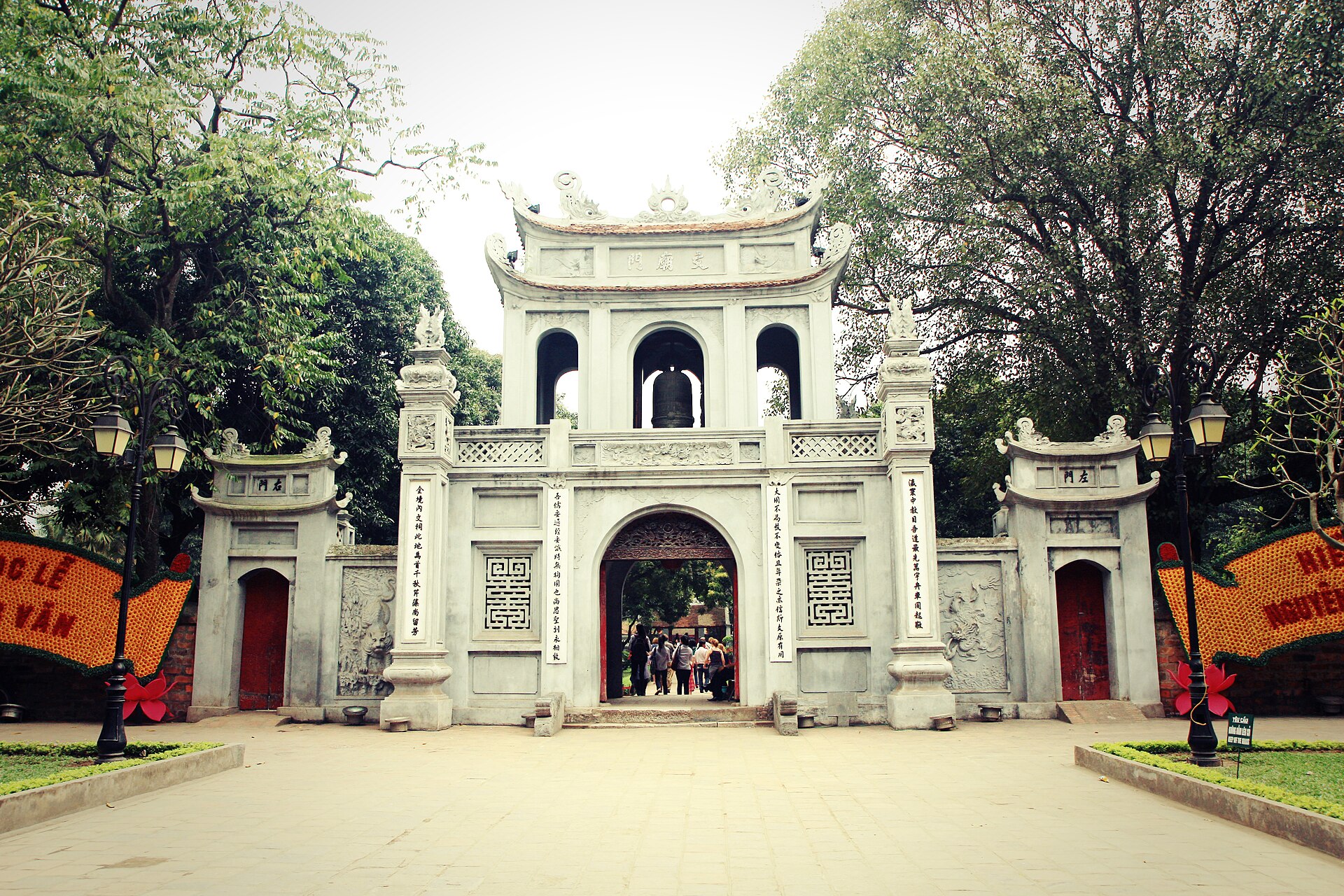
8:30–10:00: Văn Miếu–Quốc Tử Giám
Begin at the Temple of Literature, entering from Quốc Tử Giám Street. The site’s official chronology dates the temple to 1070 and the establishment of Quốc Tử Giám to 1076. These dates help explain why the compound is a place of educational memory as well as attractive architecture.
Spend time with the doctoral stelae instead of photographing only the pavilion. The site’s digital interpretation distinguishes an examination held in 1442 from the stele erected in 1484 to commemorate it. The distinction matters: monuments preserve and reshape memory, sometimes decades after an event. Do not rub the stone turtles for luck; the visitor rules prohibit touching the artefacts and stelae.
10:30–12:30: the Imperial Citadel
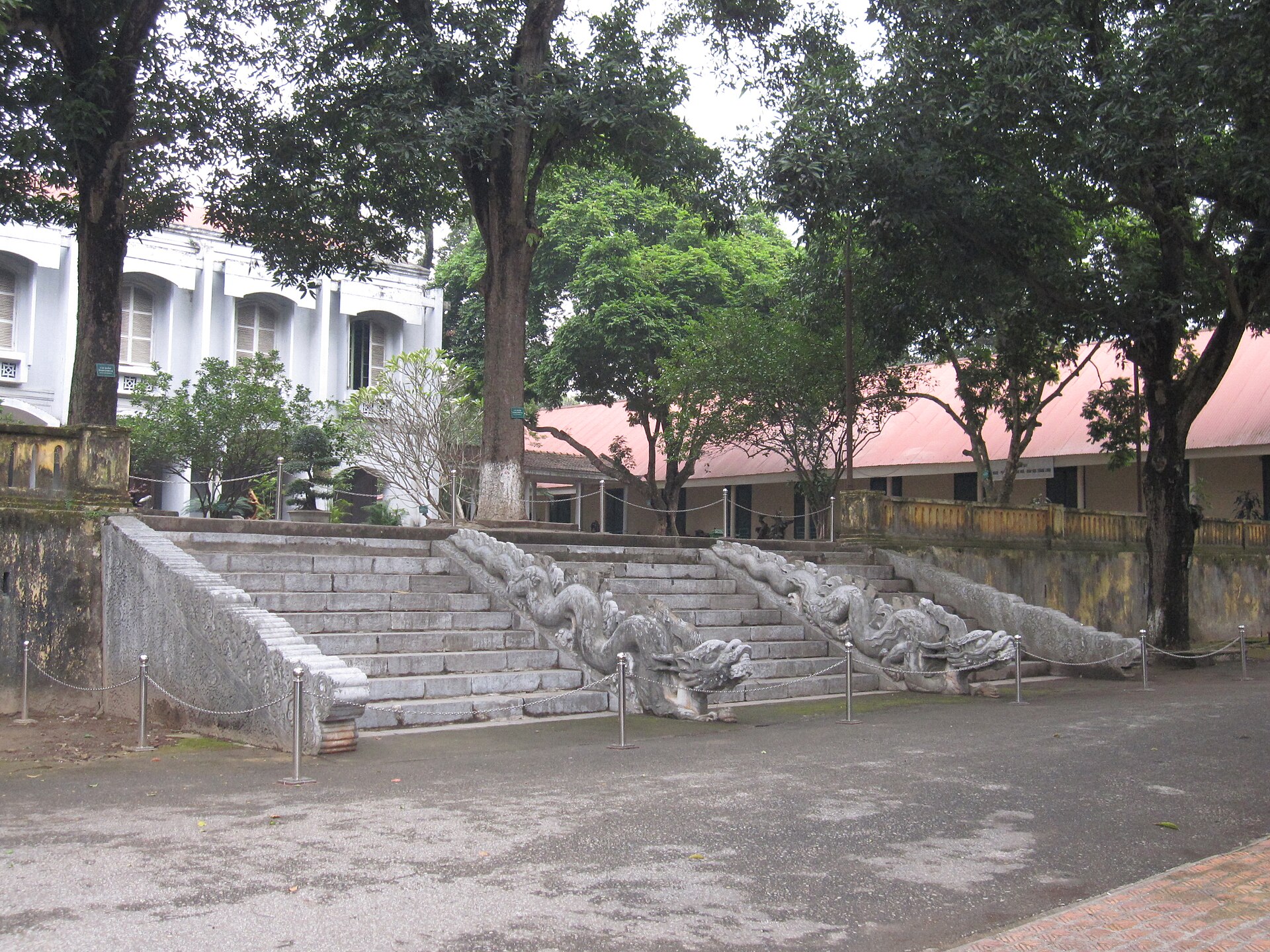
Continue by a short car ride, or walk if conditions suit, to the central sector of the Imperial Citadel of Thăng Long. Expect archaeological evidence and layers of history rather than an intact palace complex. UNESCO’s description places the Lý dynasty’s eleventh-century citadel over earlier remains and identifies an exceptionally long continuity of political power. Its buildings and excavations preserve encounters between cultural influences across the region.
Look slowly at the surviving gateways, displayed finds and explanatory material. Ask what is original, reconstructed or revealed by excavation. This is also a changing conservation site: UNESCO’s 2026 decision discusses research, archaeology and the proposed reconstruction of Kính Thiên Palace. A later official update reports that the conservation, restoration and reconstruction project broke ground on 29 September 2026. Visitor routes may shift as work progresses; check current access arrangements before your visit. Two attentive hours are more useful than trying to see every corner.

After lunch: choose one museum
Choose Hỏa Lò Prison Relic if colonial history is your priority. According to the site’s historical account, the French built the prison in 1896 on the site of Phụ Khánh, a pottery-producing village whose residents and religious buildings were displaced. That origin connects urban development, craft livelihoods and colonial coercion before you even reach the cells.
Allow 75–90 minutes. Some exhibits are distressing; families should decide whether the content suits their children. Read the displays with attention to the museum’s commemorative viewpoint, and leave time afterward to talk or decompress. The official daytime notice lists opening from 08:00 to 17:00 daily.
For a different emphasis, choose the Vietnamese Women’s Museum. Its visitor page organises the permanent collections around family, history and fashion. Make this your main afternoon visit rather than squeezing it into half an hour after Hỏa Lò. Both museums deserve concentration. Finish with a relaxed dinner near your hotel.
Day 3: Vietnam’s cultural diversity and a slower afternoon
Set aside the morning for the Vietnam Museum of Ethnology on Nguyễn Văn Huyên Street. It lies beyond the central walking area, so arrange a car and allow traffic time. The museum currently lists 08:30–17:30 opening from Tuesday to Sunday, with holiday exceptions. Move this day if necessary and confirm exact holiday closure dates directly with the museum.
The permanent exhibition introduces Vietnam’s 54 officially recognised ethnic groups. Clothing, household objects and social practices offer an important corrective to treating “Vietnamese culture” as one uniform tradition. Choose two or three displays to read carefully. Ask how an object was used, who made it, and how its meaning might change over time.
In dry weather, continue into the architectural garden. The museum’s history explains that this outdoor area presents folk architecture, while the Kite building extends the discussion to cultures beyond Vietnam. Budget roughly three hours overall, with shade and sitting breaks.
Keep the afternoon flexible: lunch near West Lake, a short lakeside stroll, or a return to the Old Quarter for anything you missed. Do not combine a long walk with a tight airport departure. If you have another night, choose an early dinner and enjoy the luxury of knowing your way around a few streets.
What to eat, and how to order comfortably
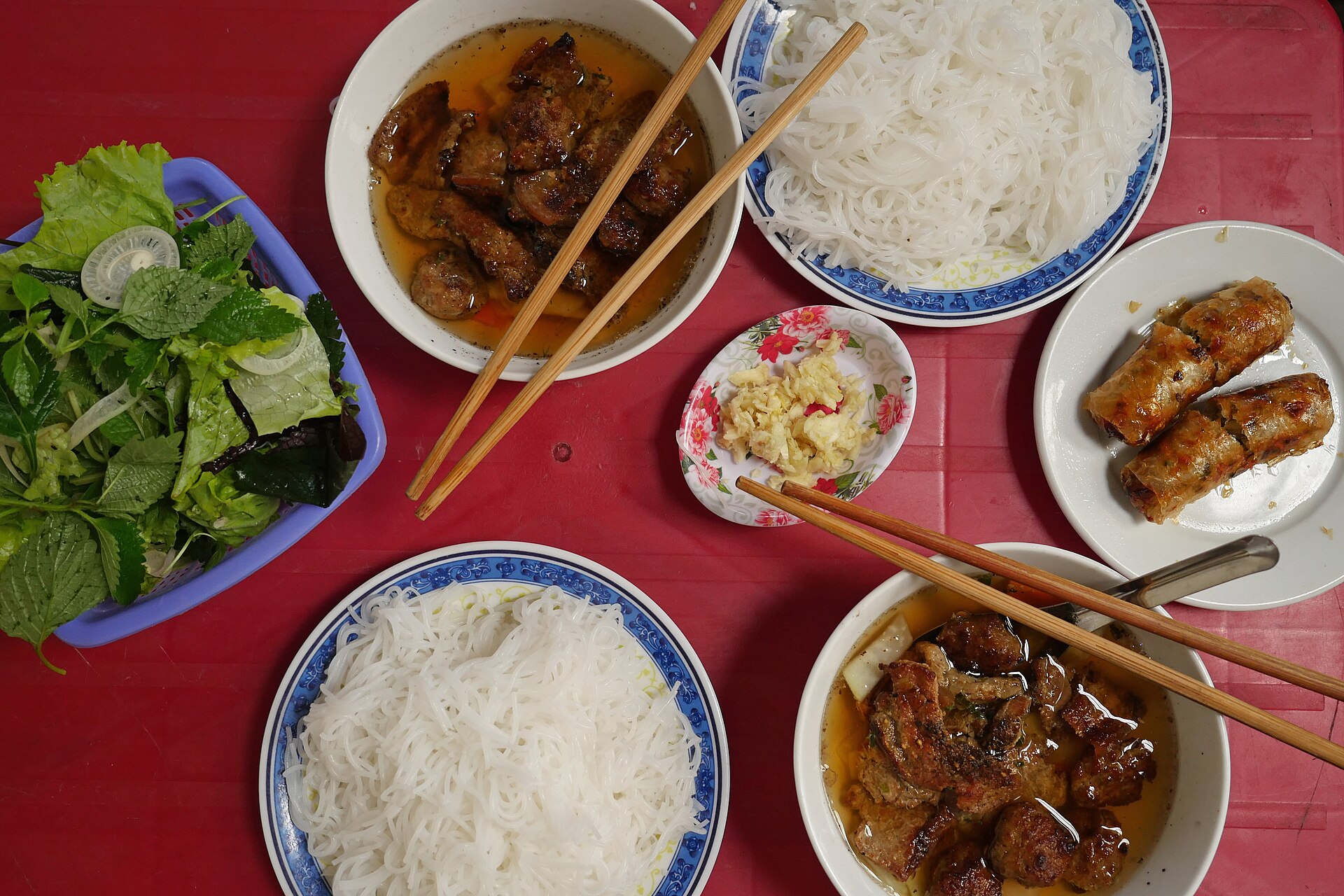
Spread your food discoveries across the trip: phở for one breakfast, bún chả for a lunch, and a café pause between visits. The tourism authority highlights both noodle soup and charcoal-grilled pork among Hanoi’s characteristic tastes. There is no need to queue for every internet-famous address.
Look for visible prices and food being prepared fresh. Confirm whether accompaniments are included, especially when sharing dishes. Vegetarian travellers should ask specifically about fish sauce, meat stock and toppings; “vegetables” on a menu does not settle those questions. Show allergies in Vietnamese where possible. The official safety guidance recommends attention to drinking water and freshly cooked food.

Tickets and a realistic planning budget
These are adult standard admission prices displayed by the operators or responsible institutions when checked on 12 October 2026. They exclude optional guides, special tours and performances.
| Place | Adult price | Official information |
|---|---|---|
| Văn Miếu–Quốc Tử Giám | 70,000 VND | Current visitor homepage |
| Imperial Citadel | 100,000 VND | Visitor page, tariff effective 1 January 2025 |
| Hỏa Lò Prison Relic | 50,000 VND | Daytime admission notice |
| Vietnam Museum of Ethnology | 40,000 VND | Museum visitor information |
For planning only, allow about 900,000–1,800,000 VND per person per day for a modest shared room, local meals, ordinary city transport and sightseeing averaged across three days. A more comfortable boutique stay and extra car rides might require 1,800,000–3,000,000 VND or more. These are editorial estimates, not live quotes; international flights, shopping and luxury hotels are excluded. Budget separately for airport transfers and obtain actual hotel prices for your dates.
Three accommodation options to compare
- La Storia Hotel Hanoi, 45 Hàng Đồng: a small Old Quarter base for travellers who want central walking access. Check the exact address carefully, as similarly named hotels exist.
- La Siesta Premium Hàng Bè, 27 Hàng Bè: a higher-comfort Old Quarter option with restaurant, spa and rooftop-bar facilities advertised by the hotel.
- Sofitel Legend Metropole Hanoi: a luxury option near the Opera House, with a hotel history dating to 1901. Choose it for the hotel experience as much as the location.
These are researched suggestions, not inspected properties. No room rate or availability is implied. Compare total cost, breakfast, cancellation conditions, accessibility and room configuration directly.
Rain, road crossings and respectful visits
On a rainy day, swap the longer walking loops for a museum and a café. The Ethnology Museum has indoor galleries, but its outdoor houses still need dry-weather judgement. Water puppetry is another useful sheltered appointment. Heavy rain can disrupt road travel; allow extra time and avoid flooded streets.
Use crossings and signals where available, watch for turning traffic, and keep your phone away from the kerb. Do not step onto railway tracks for a photograph. Carry small notes, confirm fares, and save your hotel address in Vietnamese. At temples, cover shoulders and knees, follow shoe-removal signs and give worshippers space. Hanoi becomes easier when you slow down, and the itinerary becomes better when you give yourself permission to leave something for another visit.
Read more on Vietnam Story
- Understanding Vietnam Before You Visit
- What Makes Vietnamese Food Vietnamese
- Vietnam Through the Centuries
Research checked 12 October 2026. Admission prices rechecked before publication on 13 October 2026 (Vietnam time). This is an independently prepared planning guide based on the official sources linked beside the relevant information. Suggested timings and general spending allowances are editorial estimates. Prices, operating arrangements and room availability can change. Photographs are dated documentary images, not a live view of conditions.